Understanding Psychedelic Visuals and Altered States

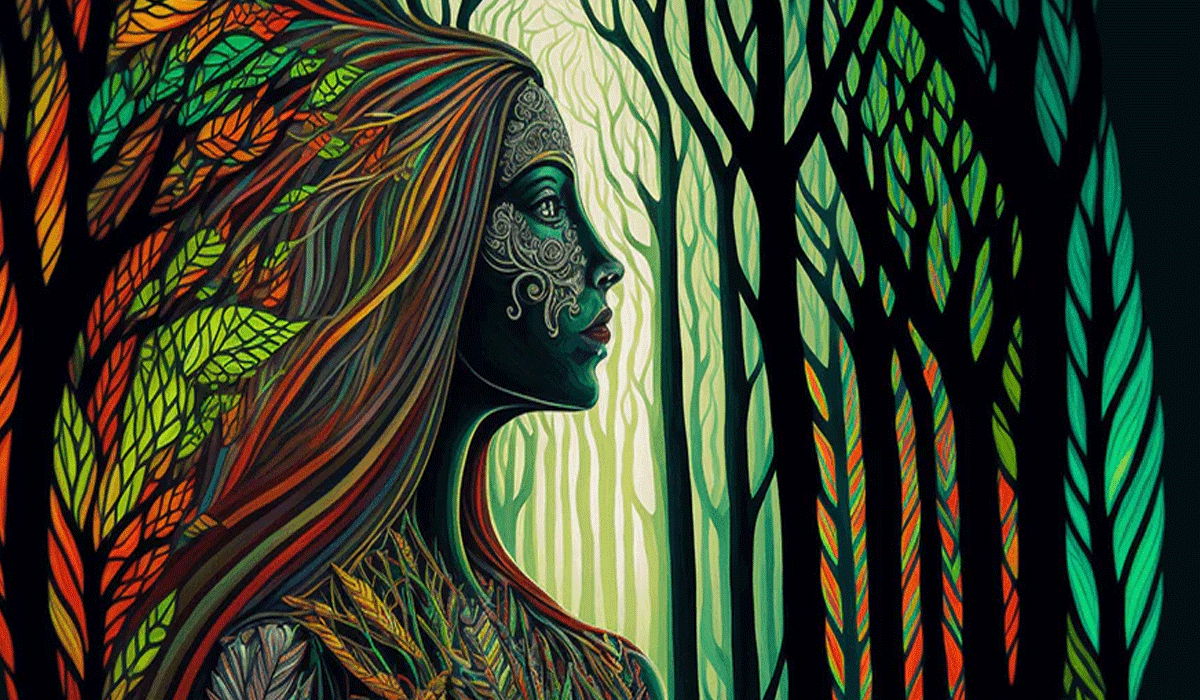
Psychedelic art and visuals have fascinated humans for decades, bridging the gap between creative expression and exploration consciousness.
Often characterized by vivid colors, intricate patterns, and surreal imagery, psychedelic visuals are not just an art form but a reflection of altered states of mind. These altered states can occur naturally, through meditation or deep contemplation, or be induced by substances that influence perception and cognition. Below News Time & Lets Talk Arts will discuss Psychedelic Visuals and Altered States.
The Origins of Psychedelic Art
The roots of psychedelic visuals trace back to the 1960s counterculture, where artists sought to capture the essence of expanded consciousness. Inspired by both Eastern philosophies and the hallucinogenic experiences of substances like LSD and psilocybin, artists began experimenting with bold colors, kaleidoscopic patterns, and abstract forms. Their work aimed to represent the inner experience of the mind in ways that traditional art could not.
Influential Artists and Movements
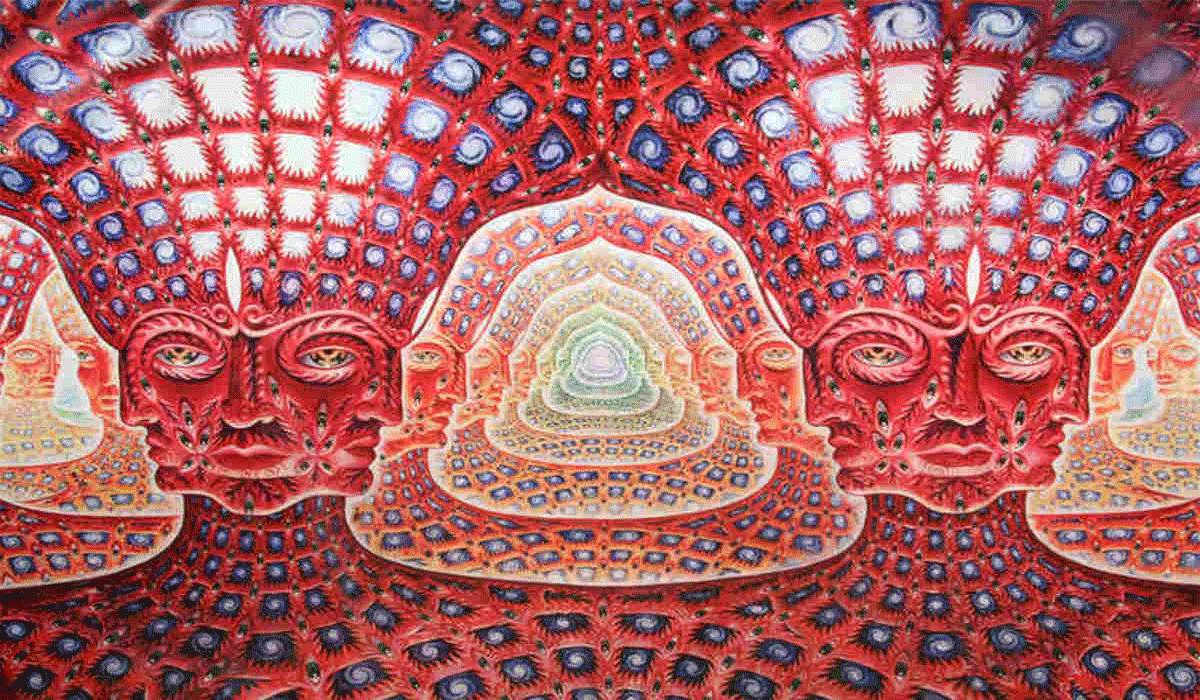
Artists like Alex Grey and Peter Max became synonymous with psychedelic art, creating works that meld spiritual and psychological themes. Music posters, album covers, and visual installations from this era exemplified the movement’s aesthetic, embedding psychedelic visuals into popular culture. These visuals were intended to evoke emotional and sensory responses, inviting viewers to explore altered mental landscapes even without using psychedelic substances.
Also Read: Commercial Photography: Capturing Products for the Global Market
Cultural Impact and Evolution
Over time, psychedelic art has evolved and found a place in mainstream media, fashion, and digital design. It continues to influence animation, film, and virtual reality experiences. The evolution reflects a growing interest in the interplay between mind, perception, and creativity, highlighting the enduring fascination with altered states across generations.
The Psychology Behind Altered States
Altered states of consciousness involve changes in perception, mood, and thought patterns. Psychedelic visuals often mimic these states, using design elements that evoke fluidity, symmetry, and movement. Research in neuroscience suggests that these visuals can stimulate brain regions associated with creativity and emotional processing, offering insight into how humans perceive and interpret complex patterns.
Therapeutic Potential
Beyond artistic appeal, psychedelic experiences and their visual representations are gaining attention in therapeutic contexts. Studies have shown that guided psychedelic experiences can support mental health treatment, addressing anxiety, depression, and trauma. Visual art inspired by these states can facilitate therapy by providing a non-verbal medium for reflection and self-exploration.
Personal Exploration and Creativity
For many, interacting with psychedelic visuals is an avenue for personal growth and creative exploration. These visuals encourage introspection, spark imagination, and challenge conventional ways of thinking. Whether through immersive art installations, digital experiences, or traditional paintings, psychedelic art remains a powerful tool for understanding the mind.
Modern Applications and Digital Integration
Today, psychedelic visuals are increasingly integrated into digital platforms, from interactive apps to augmented reality experiences. Designers use these visuals to create immersive environments, enhancing gaming, music visualization, and virtual learning. This integration underscores the continued relevance of psychedelic aesthetics in a world where technology and human perception intersect.
Psychedelic art offers more than eye-catching imagery; it is a bridge to understanding consciousness and creativity. By exploring these visuals, individuals can gain insight into altered states, psychological dynamics, and the boundless potential of human imagination.