Visual Journey: Enjoying the Uniqueness of Psychedelic Art
Explore the world of psychedelic art with vibrant colors, surreal visuals, and its transformative power for creativity and self-expression.
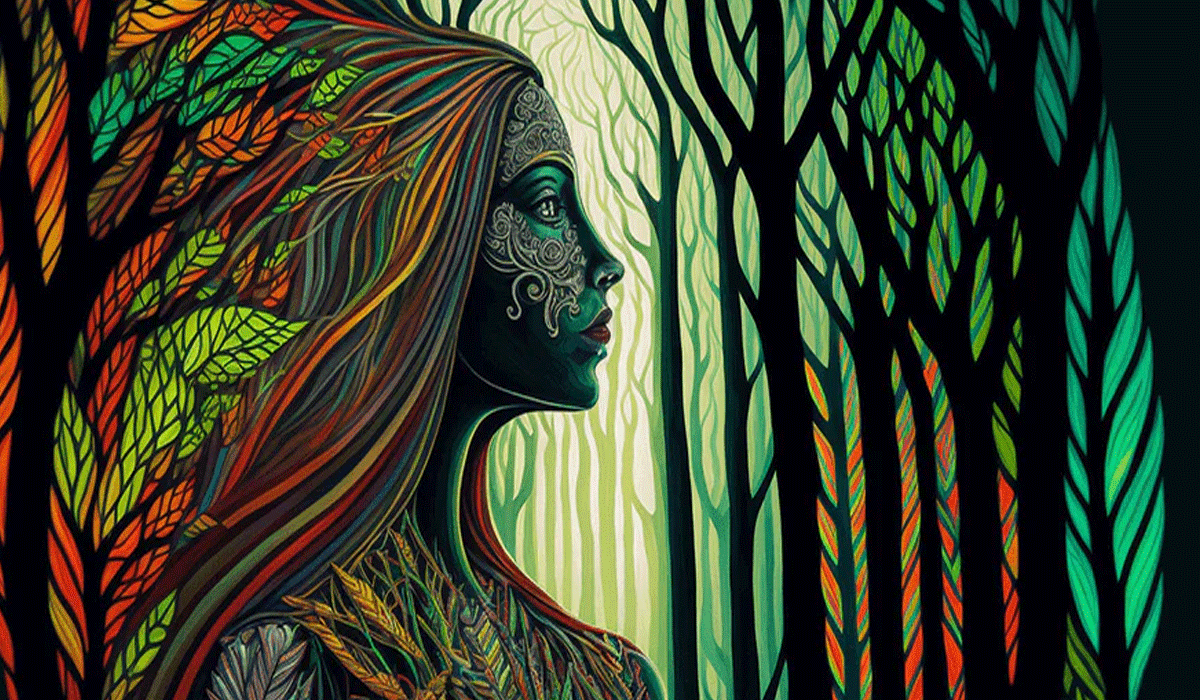
Psychedelic art is more than just vibrant colors and abstract patterns it is a visual exploration of imagination and perception. Originating from the counterculture movement of the 1960s, this art form pushes boundaries by blending surreal visuals, bold hues, and fluid designs that evoke emotional and psychological responses.
Below, News Time & Lets Talk Arts will explore the uniqueness of psychedelic art, its techniques, its cultural impact, and how to fully appreciate its mesmerizing qualities. By understanding its history and significance, you can enjoy psychedelic art on a deeper and more meaningful level.
Getting to Know Psychedelic Art
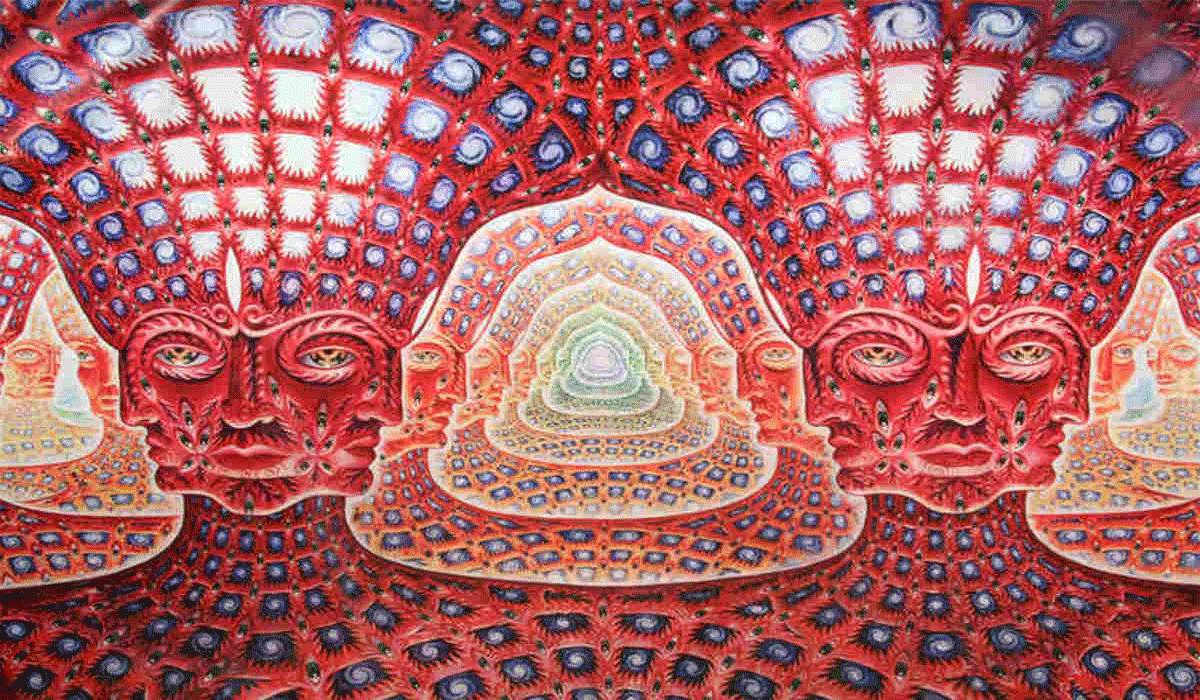
Psychedelic art emerged during the 1960s, inspired by the counterculture movement, experimental music, and exploration of altered states of consciousness. Artists sought to visually represent experiences induced by meditation, music, and even psychedelics, creating works that were surreal, colorful, and mind-expanding.
Early posters, album covers, and concert visuals became iconic examples of this movement. Its roots lie in both Western and Eastern art traditions, blending intricate patterns, mandalas, and vibrant color palettes. The style was heavily influenced by Art Nouveau, Op Art, and surrealism, but with a distinct focus on creating immersive and transformative visual experiences.
Characteristics and Techniques
Psychedelic art is defined by its vivid colors, intricate patterns, and surreal imagery. Artists often use bright, contrasting hues to evoke a sense of movement and depth. Repetition, symmetry, and fractal-like designs are common, creating mesmerizing visual effects that appear to shift or vibrate before the eyes.
Techniques vary from traditional painting and drawing to digital art and multimedia installations. Layering, blending, and distortion of shapes are frequently used to enhance visual complexity. Many psychedelic artists also incorporate symbols, typography, and cultural motifs to add narrative or conceptual depth.
Also Read: Building a Brand through Effective Commercial Photography
Psychedelic Art in Modern Culture
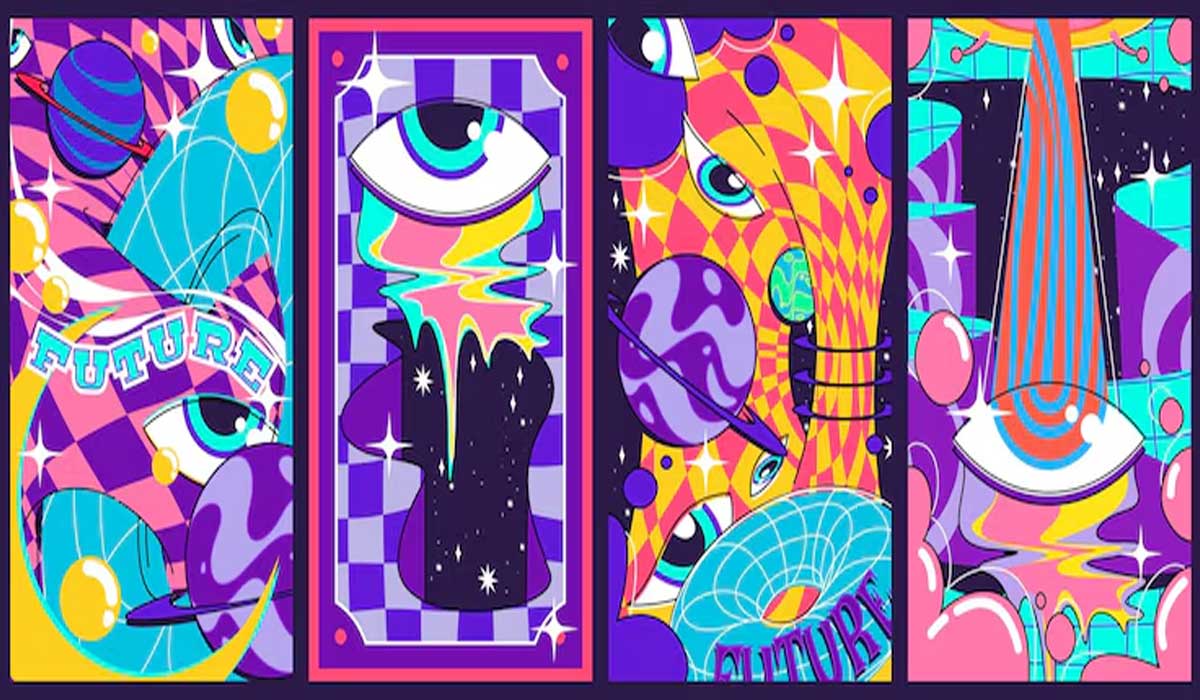
Today, psychedelic art is not confined to the 1960s counterculture. It has permeated modern music, fashion, film, and digital media. Album covers, concert visuals, and music festivals often use psychedelic motifs to create immersive experiences that complement sound and movement.
Digital artists and graphic designers continue to push boundaries, using software and animation to create interactive works that respond to viewer interaction. Social media platforms have also amplified the popularity of psychedelic visuals, allowing artists to reach global audiences and inspire new interpretations of this dynamic art form.
How to Appreciate Psychedelic Art Fully
Appreciating psychedelic art goes beyond observing its colors and patterns; it involves immersing yourself in the experience. Take time to notice the details, explore symmetry, and follow the flow of lines and shapes. Consider the emotions or thoughts the artwork evokes, as these pieces often aim to stimulate reflection and imagination.
Viewing psychedelic art in immersive settings, such as galleries or digital installations, enhances the experience. Music, lighting, and spatial arrangement can amplify perception, making the visuals appear dynamic and alive. Additionally, learning about the artist’s intent and the cultural context can deepen understanding and appreciation.
The Psychological and Emotional Impact
Psychedelic art has a unique ability to influence emotions and cognition. Its vibrant colors and intricate patterns can reduce stress, boost mood, and spark creativity. By drawing attention to details and encouraging focus, it promotes mindfulness and mental engagement.
Studies suggest that exposure to complex, colorful visuals stimulates the brain’s visual cortex, enhancing cognitive flexibility and problem-solving. Moreover, the surreal and abstract elements can provide a form of escapism, allowing viewers to experience wonder, curiosity, and novelty.
Conclusion
Psychedelic art is a celebration of imagination, color, and perception. Its unique blend of vibrant visuals, surreal patterns, and emotional depth makes it a compelling art form for viewers worldwide. By understanding its history, techniques, and cultural relevance, you can fully appreciate the immersive experience it provides.
Engaging with psychedelic art promotes creativity, emotional awareness, and mindfulness, allowing you to embark on a truly transformative visual journey. Whether through traditional paintings, digital art, or interactive installations, psychedelic art continues to inspire and captivate, inviting everyone to explore the extraordinary world of imagination.
Image Source:
First Image from: synergeticpress.com
Second Image from: www.freepik.com