A World of Color and Imagination: The Magic of Psychedelic Art
Explore the wonders of psychedelic art, an exploration of colors, shapes, and imagination that captivates and inspires human creativity.
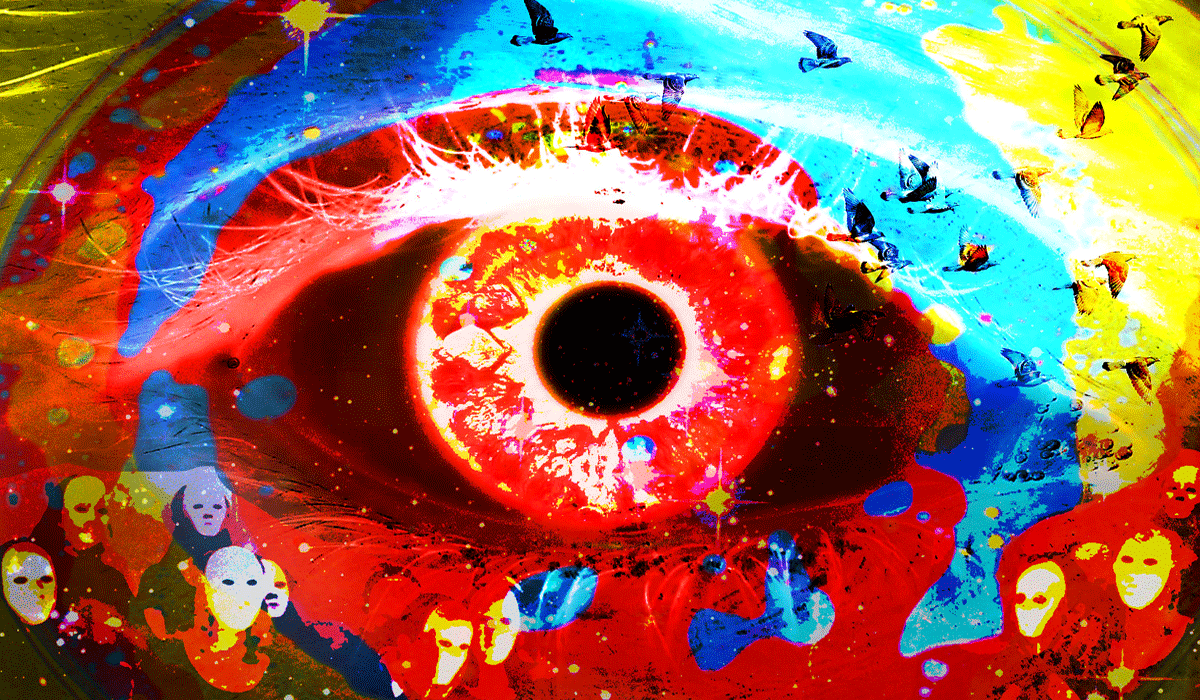
Psychedelic art is a window into a mesmerizing world of imagination, where colors, shapes, and patterns blend into an extraordinary visual experience. From 1960s music posters to modern digital works, this art influences the way we perceive reality and creative expression.
Next, News Time & Lets Talk Arts will discuss various aspects of psychedelic art, from history, techniques, to its influence in contemporary culture.
History and Origins of Psychedelic Art
Psychedelic art emerged in the 1960s, alongside the development of rock music and the counterculture movement. These visual works are often associated with concert posters, album covers, and illustrations that are colorful and abstract in form. The use of bright colors, repetitive patterns, and visual distortions are hallmarks of psychedelic art.
This art often aims to reflect intense sensory experiences and stimulate the imagination of its viewers. Additionally, psychedelic art is also influenced by cultural and spiritual exploration, including the influence of Eastern culture and mystical symbolism.
Characteristics of Psychedelic Art
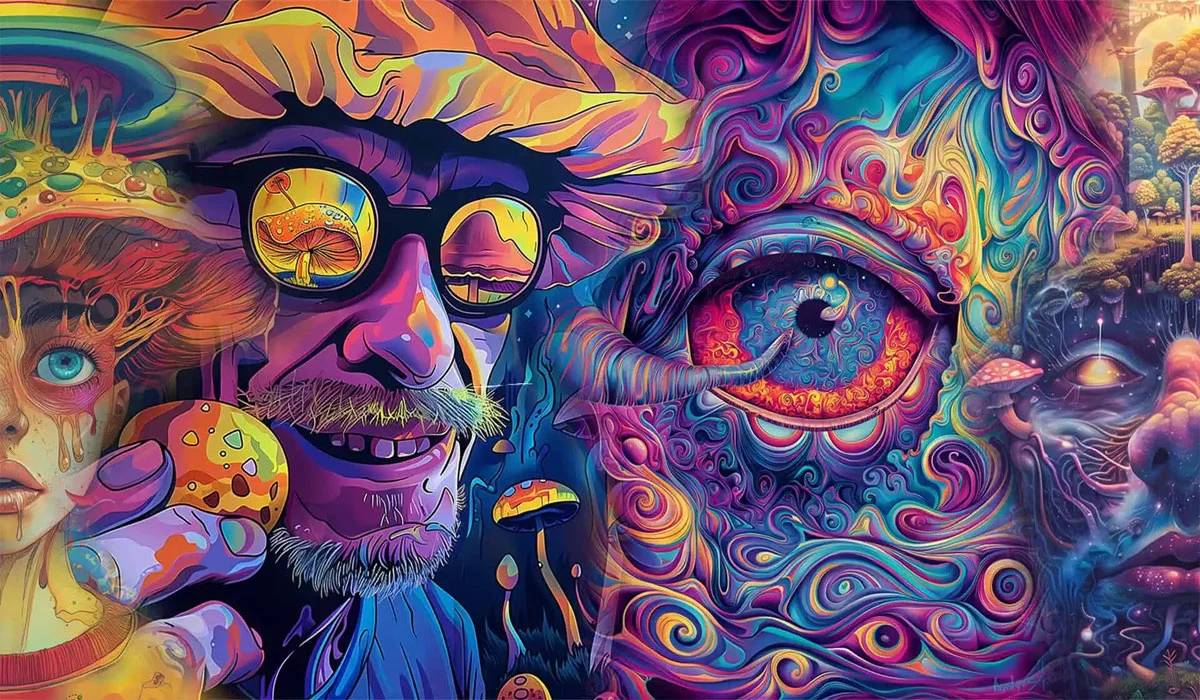
Psychedelic art is known for its contrasting and striking color combinations, curved lines, and repetitive abstract shapes. This technique creates an illusion of movement and depth, making the viewer feel as if they are entering another world.
In addition, patterns and symbols in psychedelic art are often organic in nature, resembling natural forms such as plants, waves, or microscopic organisms. This gives the work a lively and dynamic impression. Another characteristic is the use of experimental typography and asymmetrical visual elements.
Also Read: The Art and Strategy Behind Commercial Photography
Techniques and Mediums of Psychedelic Art
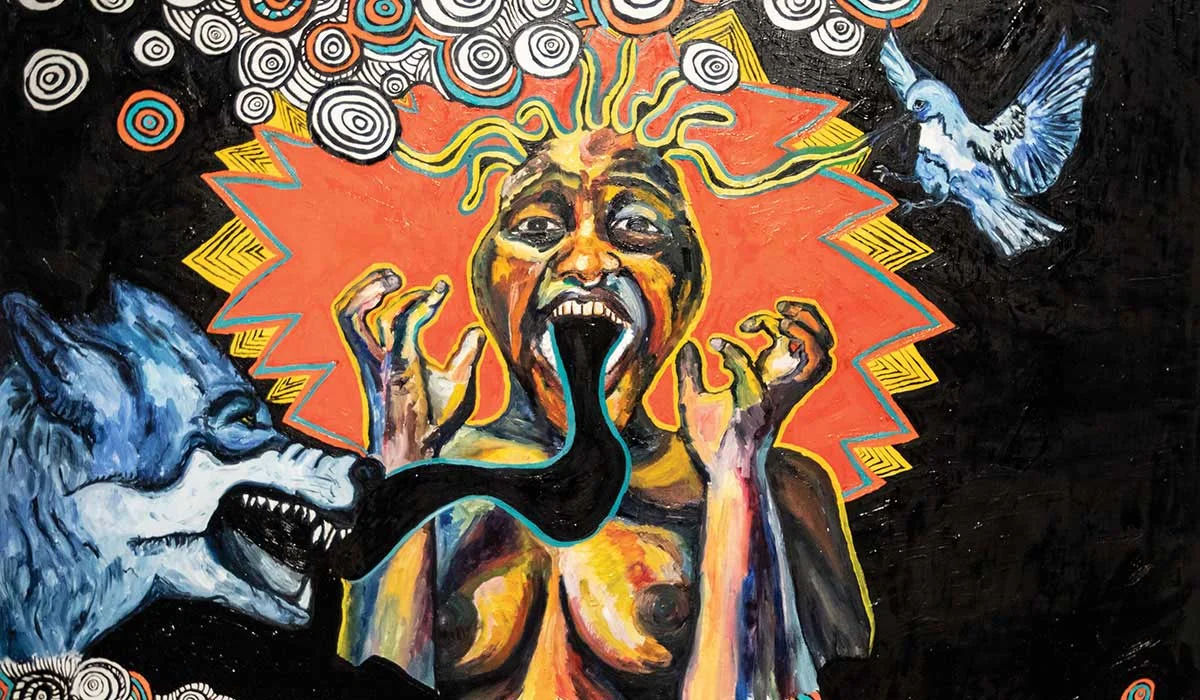
Psychedelic art can be realized thru various mediums, ranging from hand-painted art, posters, to digital works. Traditional techniques include acrylic paint, ink, and airbrush to produce intense colors and smooth gradients. In the modern era, digital technology enables the creation of complex visual effects with graphic software.
Distortion effects, color overlays, and moving animations add a new dimension to contemporary psychedelic works. Additionally, psychedelic artists often experiment with lighting, projections, and interactive installations. This expands the experience of the audience from merely watching, presenting a world of color and imagination that is more vibrant.
Influence in Contemporary Culture
Psychedelic art not only influences the visual world but also music, fashion, film, and graphic design. Concert posters, album covers, and music videos often use psychedelic elements to convey a specific mood or theme. In addition, this art movement influences interior design, fashion, and even digital media.
Bright colors and abstract patterns are now present in advertisements, applications, and social media content, showcasing an enduring psychedelic appeal. The influence of psychedelic art is also evident in modern creative trends, where individual expression and visual experimentation are valued.
As a Medium for Expressing Emotions and Imagination
Psychedelic art allows artists to express emotions and abstract thoughts visually. Colors, shapes, and patterns work together to depict complex internal experiences. Additionally, this art stimulates the imagination of the viewers, making them actively engage in the interpretation of the work.
Everyone can experience different perceptions according to their personal views, making the work a visual dialog between the artist and the audience. Thru psychedelic art, creators are free to explore ideas that are not bound by realistic rules.
Conclusion
Psychedelic art is a blend of color, form, and imagination that creates an extraordinary visual experience. From its history in the 1960s to its influence in contemporary culture, this art proves its timeless appeal.
Techniques, mediums, and psychedelic characteristics allow artists to express emotions and abstract ideas, while viewers are invited to experience a unique multisensory journey. The world of color and imagination in psychedelic art is not only beautiful to behold but also a continuously evolving source of creative inspiration.
Image Source:
First Image from: onwisconsin.uwalumni.com
Second Image from: www.gettysburg.edu