Colors of the Mind, Exploring the World of Psychedelic Art

Psychedelic art has always been a mesmerizing feast for the eyes and a playground for the imagination, where colors dance.
Full of bright colors, rotating shapes, and symbolic imagery, this is more than just decoration, it is an experience. This art form reflects cultural shifts, changing states of consciousness, and creative experimentation across music, film, graphic design, and fashion. Below News Time & Lets Talk Arts, we will explore how to dive into the vibrant layers of psychedelic art, films, and visual media, transforming mere observation into an immersive and inspiring journey for the mind and senses.
The Birth of Psychedelic Art
Psychedelic art began in the mid-20th century, influenced by the counterculture movement and the exploration of altered consciousness. Early works often appeared on music posters, album covers, and concert visuals. They featured flowing lines, bold colors, and geometric patterns that seemed to move and pulse with the music.
Artists like Victor Moscoso and Wes Wilson played a key role in shaping this style. They combined illustration with experimental typography, creating visuals that felt alive. Their work aimed to engage the viewer on a deeper level, blending excitement with a sense of wonder and mystery.
Visual Features That Stand Out
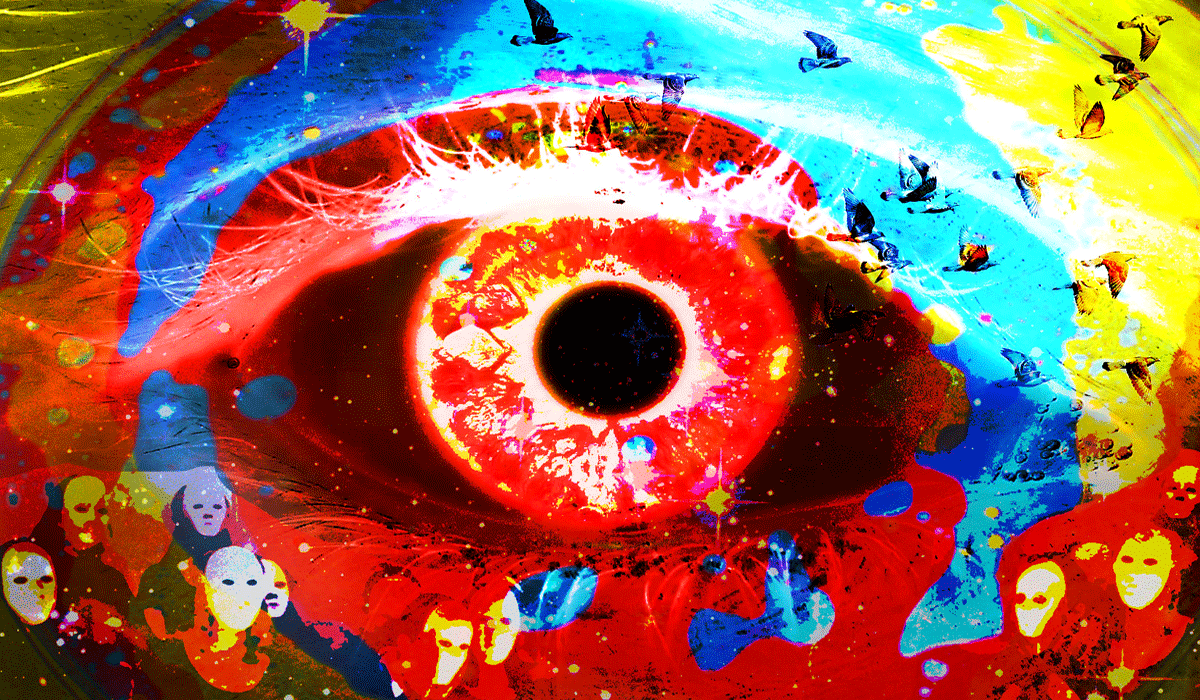
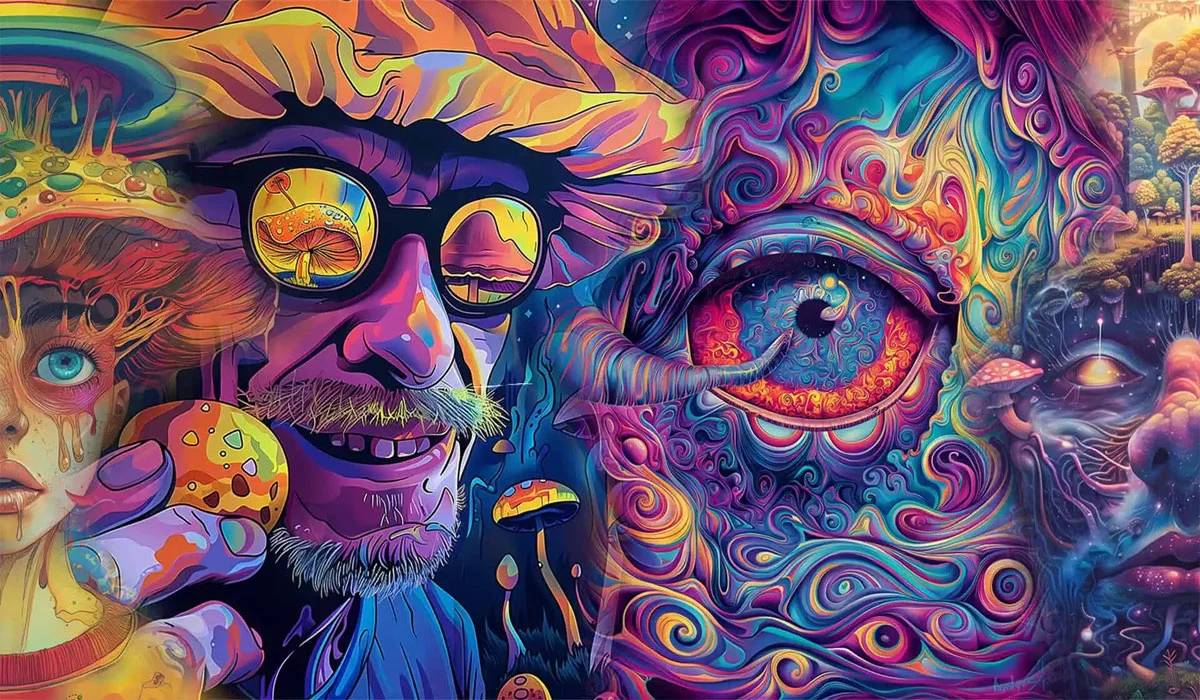
What makes psychedelic art instantly recognizable? Bright neon colors, dramatic gradients, and repeated, circular forms dominate the style. These designs often mimic the visual effects experienced in altered states, creating an immersive, almost hypnotic effect.
Fractals, kaleidoscopic patterns, and warped perspectives are staples. They distort reality in playful ways, inviting viewers to explore the artwork actively rather than passively. This is what makes psychedelic art feel alive and unpredictable. Symbolism also plays a big role. Common motifs include third eyes, cosmic circles, and fantastical creatures. These symbols suggest spiritual or transcendent ideas, making the art both visually stimulating and intellectually engaging.
Read Also: Boost Your Brand With Professional Commercial Photography
Music and Cultural Impact
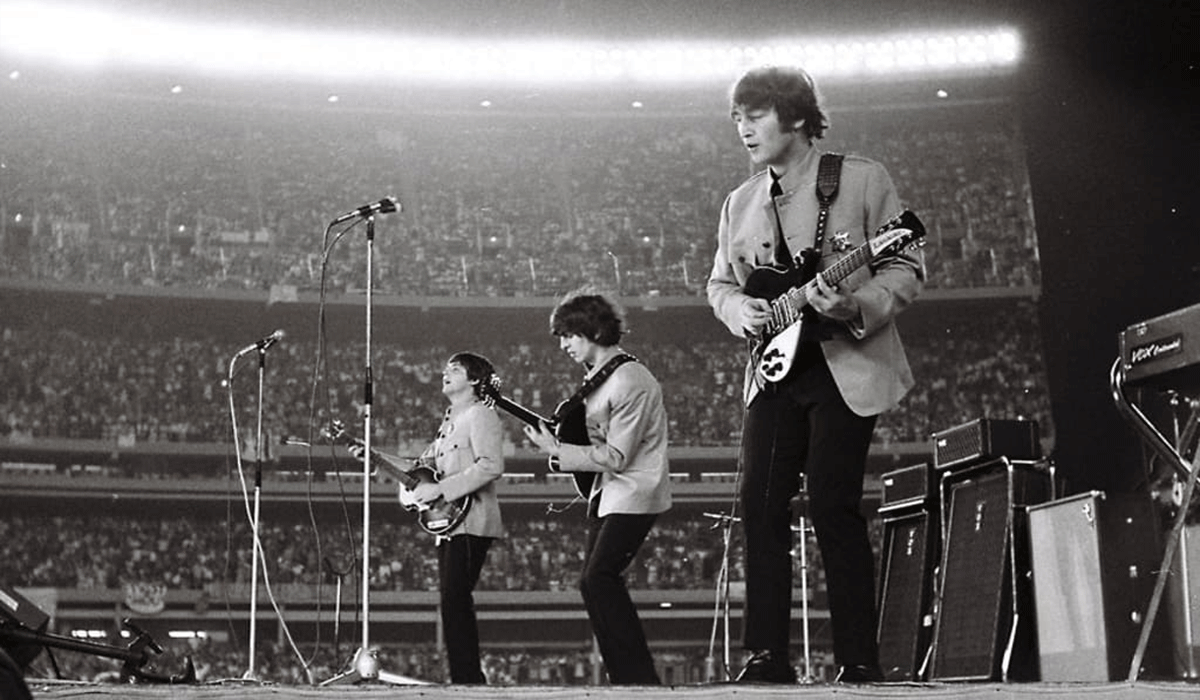
The 1960s rock scene helped bring psychedelic art to life. Concert posters and album covers for bands like The Grateful Dead or Jefferson Airplane weren’t just promotional tools—they were works of art themselves. Each design captured the energy of the music and the cultural vibe of the era.
Psychedelic visuals reinforced the identity of the counterculture, linking music, fashion, and lifestyle into a unified creative expression. Audiences didn’t just consume music; they experienced a full sensory world. Even today, the style continues to influence modern design. Digital art, music videos, and graphic interfaces often borrow psychedelic colors and shapes. Its ability to capture attention and convey emotion keeps it relevant in contemporary creative industries.
Psychedelia in Film and Digital Media
Digital technology has expanded psychedelic art in exciting ways. Animated films, video clips, and interactive media now use light, motion, and sound to create immersive experiences. These modern interpretations take viewers beyond traditional visual art.
VR installations and interactive digital art allow audiences to step inside psychedelic worlds. Participants can explore, move, and even change the visuals themselves, turning passive viewing into active engagement. This evolution shows that psychedelic art isn’t limited to paintings or posters anymore. It’s a multisensory experience, blending creator, audience, and artwork into one dynamic journey.
Evolution and the Future
Today, psychedelic art continues to evolve, influencing fashion, product design, NFTs, and digital creations. Artists mix classic psychedelic aesthetics with new technologies, creating works that challenge perception and push visual boundaries.
The future promises even more immersive experiences through AR, VR, and AI-generated art. People worldwide can now access these mind-expanding visuals like never before. Psychedelic art has moved from a countercultural statement to a global creative force. It remains a laboratory for exploring human perception, imagination, and emotion—a testament to the endless possibilities of color and creativity.
Discover at Lets Talk Arts how psychedelic art combines vivid imagination, visual storytelling, and mind-expanding creativity to transform the way we experience art and inspire the senses.
Image Source:
First Image from artsology.com
Second Image from vocal.media