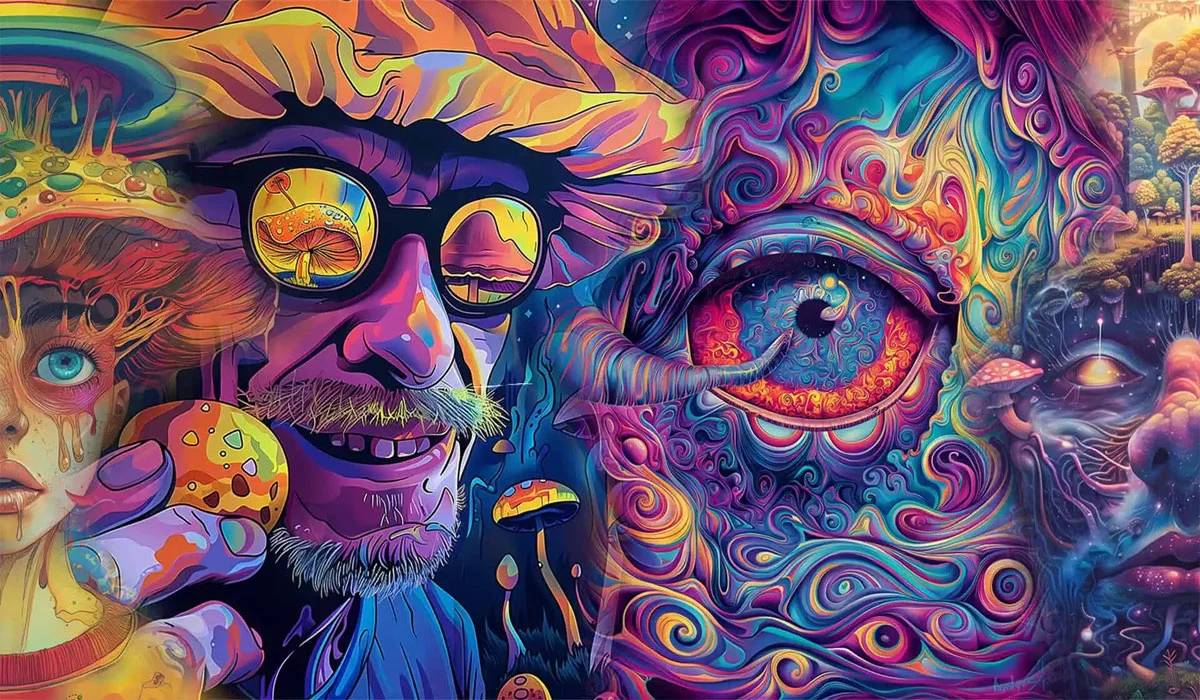
Exploring Colors And Consciousness: Psychedelic Art Today
Psychedelic art has long fascinated audiences with its vibrant colors, intricate patterns, and mind-expanding visuals.
Emerging from the counterculture movements of the 1960s, this art form is not just about aesthetics it’s deeply tied to consciousness, perception, and creativity. Today, psychedelic art continues to evolve, influencing modern digital art, music visuals, and contemporary design. Understanding its origins, techniques, and cultural impact helps appreciate how it engages both the eye and the mind.
Origins of Psychedelic Art
Psychedelic art originated in the 1960s, closely linked to the music and cultural revolution of the era. Artists sought to replicate the visual experiences induced by altered states of consciousness, particularly through hallucinogenic substances. Posters, album covers, and underground comics became prime mediums for these vivid expressions.
Early pioneers like Wes Wilson and Victor Moscoso used flowing typography and surreal imagery to create a sense of motion and depth. These foundational works set the stage for psychedelic art’s lasting impact on both popular culture and fine art.
Characteristics And Techniques
Psychedelic art is defined by bright, often contrasting colors, swirling patterns, and highly detailed compositions. Artists frequently employ optical illusions, fractal patterns, and repetitive motifs to evoke a sense of expanded perception.
Techniques vary from traditional hand-drawn illustrations to digital manipulations using software like Adobe Illustrator or Photoshop. The interplay between color and form is central, creating immersive experiences that challenge conventional perspectives. This combination of technical skill and creative experimentation allows psychedelic art to remain visually captivating across generations.
Read Also: Commercial Product Photography Services
Connection To Consciousness And Perception
At its core, psychedelic art explores the relationship between visual stimuli and human consciousness. The art form aims to alter perception, provoke thought, and encourage introspection. By engaging viewers with complex patterns and unexpected color combinations, it can simulate altered states of mind.
Many contemporary artists also explore themes of meditation, spirituality, and self-awareness, making psychedelic art not just visually striking but conceptually profound. This connection to consciousness helps explain why the style resonates deeply with audiences worldwide.
Psychedelic Art In Modern Media
Today, psychedelic art has expanded beyond posters and album covers into digital media, fashion, and interactive installations. Music festivals, video games, and virtual reality experiences often incorporate psychedelic visuals to enhance immersive experiences.
Social media platforms like Instagram and Pinterest have become popular spaces for artists to share their vibrant creations, reaching global audiences instantly. Additionally, collaborations with brands and designers have brought psychedelic aesthetics into mainstream design, demonstrating its adaptability and continuing relevance.
Influences on Contemporary Creativity
The influence of psychedelic art extends to many areas of contemporary creativity. Graphic designers, animators, and fashion designers draw inspiration from its bold color palettes and surreal patterns.
Its emphasis on exploration and experimentation encourages artists to push boundaries and rethink conventional norms. Educational institutions and workshops now also explore psychedelic-inspired techniques to teach creativity and visual storytelling. By bridging traditional art with modern technology and culture, psychedelic art continues to inspire new generations of creators.
Conclusion
Psychedelic art today remains a powerful medium for exploring colors, patterns, and consciousness. From its 1960s origins to modern digital platforms, it has consistently challenged perception and inspired creativity.
By understanding its history, techniques, and cultural significance, viewers and artists alike can appreciate how this unique art form continues to shape both visual aesthetics and imaginative thought in the contemporary world. Its enduring influence underscores the limitless possibilities of combining art with perception and consciousness.
Image Source:
- First Image: https://homegrown.co.in
- Second Image: https://pennmemorycenter.org