Exploring Psychedelic Art, Colors, Patterns, and Modern Creativity

For decades, psychedelic art has captivated art enthusiasts and cultural researchers, offering vivid visuals and mind-expanding experiences worldwide.
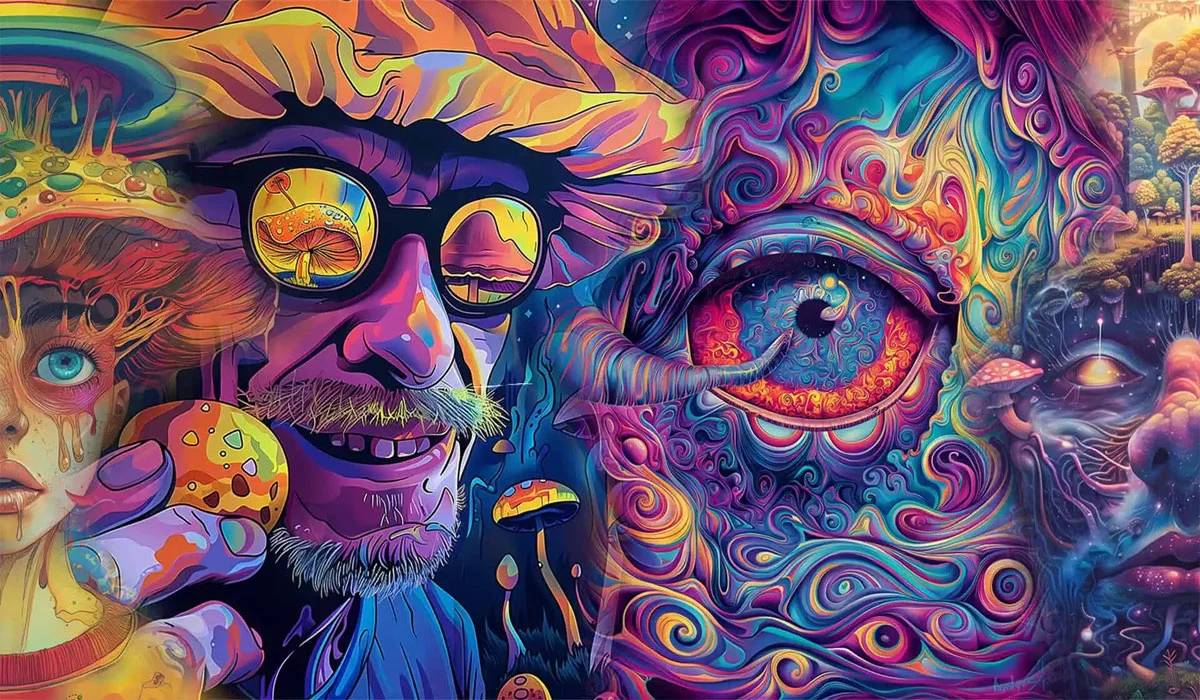
With its intense colors, repeating patterns, and unconventional shapes, it offers more than just a visual treat, it interacts with the mind and perception. In the modern era, psychedelic art has grown beyond music posters or album covers, appearing in galleries, digital media, and even visual therapy. This article explores how colors, patterns, and the mind combine to create contemporary psychedelic experiences.
Colors That Speak to the Mind
Colors in psychedelic art are more than decoration, they communicate emotion. Bright colors like neon pink, lime green, and electric blue are often used to create intense feelings of energy and excitement. Psychology shows that colors can directly affect moods: blue can calm, while red can stimulate the nervous system. When unusual color combinations or high contrasts are used, the brain works harder to process what it sees.
This creates a sensation of reality shifting, which is a hallmark of psychedelic experiences. Artists use this technique to draw viewers into a visual journey that feels almost otherworldly. Moreover, colors act as a gateway to deeper psychological states. By manipulating color intensity and contrast, psychedelic artists can guide viewers through emotional and cognitive responses that extend far beyond simple aesthetics.
Patterns That Capture Attention
Repetition and complex geometric patterns are central to psychedelic art. These patterns can create illusions of motion, depth, and texture, making the artwork feel alive. Carefully designed patterns guide the eyes rhythmically across the canvas, making the visual experience immersive and dynamic. Scientific studies show that the brain naturally searches for patterns. When presented with repetitive or intricate designs, neural networks activate in ways that create feelings of both order and excitement.
Psychedelic art often balances classic geometry with organic improvisation, creating a harmony between structure and spontaneity. This combination of predictability and surprise stimulates perception, keeping viewers engaged while also sparking curiosity. Patterns are not just visual, they interact with cognition, producing memorable and emotionally resonant experiences.
Read Also: Capturing Magic: Stunning Commercial Photography Tips
How Psychedelic Art Shapes Perception
The mind plays a key role in experiencing psychedelic art. Visual perception and emotional interpretation are deeply connected, and these artworks are designed to challenge how we see and feel. Viewers often report sensations of depth, motion, or unusual emotional responses when immersed in psychedelic visuals. These effects are linked to neurological responses, including how the brain reacts to intense visual stimulation.
Modern applications even include therapeutic contexts, where such visuals enhance mindfulness and self-awareness. By engaging both perception and imagination, psychedelic art reminds us that seeing is more than passive observation it’s an interaction between the mind and what it perceives. Colors and patterns act as keys to unlock this mental dialogue.
Digital Psychedelia
Digital technology has transformed how we experience psychedelic art. Animations, virtual reality, and interactive media allow viewers to step into immersive, ever-changing worlds of color and pattern. These experiences were unimaginable in traditional art forms. Online platforms also let artists reach global audiences, spreading psychedelic culture far beyond its origins.
Algorithms can even generate complex patterns and color combinations, enabling experimentation and innovation that continues to evolve. In this digital age, psychedelic art becomes multi-sensory. It’s no longer just something to look at it’s something to explore, interact with, and experience in real-time.
Inspiring Modern Creativity
Psychedelic art sparks creativity in ways few other forms can. Its bold visuals encourage lateral thinking, expand imagination, and inspire new ideas in design, music, and technology. Many contemporary creators use psychedelic aesthetics as a foundation for innovation. Interacting with such art can also boost cognitive skills, including spatial awareness and mental flexibility.
In an increasingly complex world, psychedelic art provides a space for reflection, exploration, and stimulating experiences. Ultimately, its power lies in connecting color, pattern, and mind into a captivating, transformative harmony that resonates in both art and life. Stay tuned and explore how colors, patterns, and psychedelic art inspire creativity only on News Time & Let’s Talk Arts.
Image Source:
First Image from psychedelic.support
Second Image from thereader.mitpress.mit.edu