Art as a Catalyst for Rebellion and Renewal
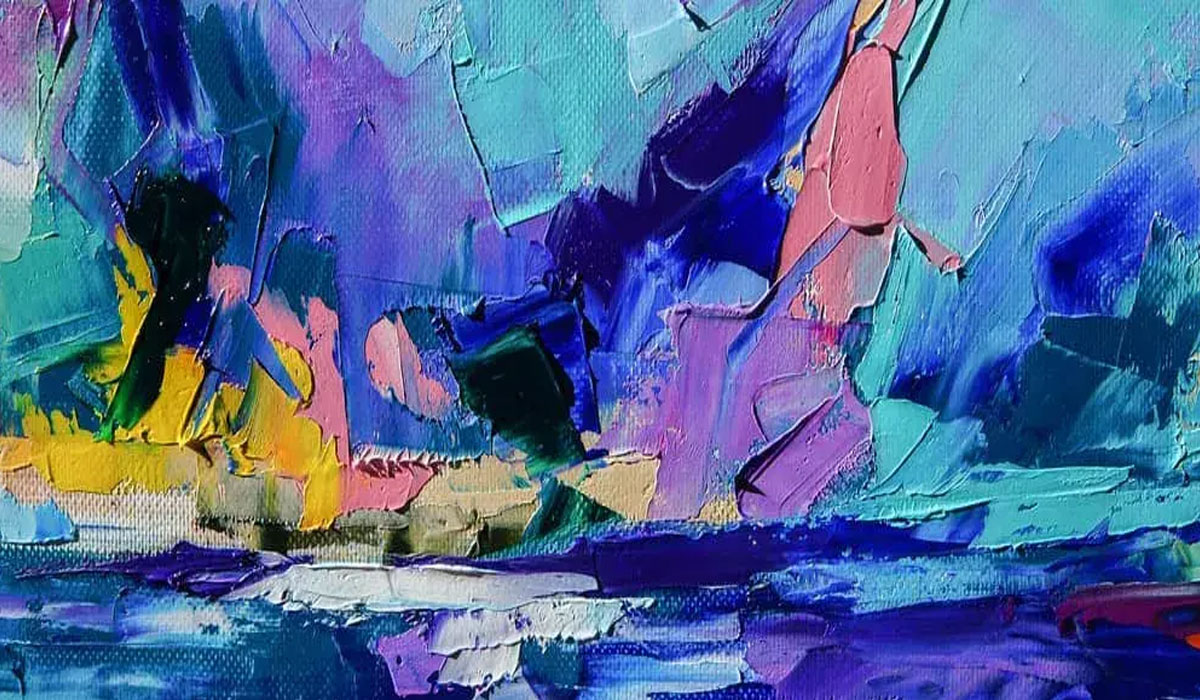
Art has always carried the power to challenge, inspire, and transform cultures, ideas, emotions, and entire societies.
From ancient symbols carved on stone walls to contemporary digital installations, creative expression has shaped the way societies understand themselves. Today, art is more than aesthetics it is a force of rebellion and a pathway toward renewal. By reflecting reality while questioning it, art becomes a catalyst for change in cultures, communities, and individual minds.
Art as a Voice Against Oppression
Throughout history, art has emerged as a tool to confront systems of control and inequality. When words become dangerous, images, songs, and performances deliver messages that cannot be silenced. Artists often use creativity as a form of protest, exposing hidden truths and challenging dominant narratives.
Street art is one of the clearest examples. Murals, graffiti, and public installations become direct messages to society, occupying spaces that everyone can see. Without needing permission or approval, artists reclaim public spaces and give voice to communities that are often ignored.
Music, literature, and theater also play major roles in rebellion. Protest songs, revolutionary poetry, and political plays ignite awareness and provoke emotion. As audiences absorb these artistic statements, they start questioning the world around them, leading to conversations, movements, and social shifts.
The Power of Symbolism and Storytelling
Art communicates through symbols, metaphors, and stories that touch universal human experiences. Instead of delivering information directly, art captures emotions anger, hope, frustration, resilience and transforms them into meaning. This allows people from different backgrounds to connect with the same message and interpret it in personal ways.
Symbolism has long been used to comment on society without speaking openly. Colors, shapes, objects, and characters all hold deeper meaning. Even a simple image can represent resistance, unity, or transformation. Public sculptures, gallery exhibitions, and digital artworks use visual language to spark curiosity and inspire dialogue.
Storytelling, meanwhile, opens doors to new perspectives. When audiences engage with stories told through dance, photography, film, or illustration, they experience new realities. They see unfamiliar struggles, identities, and traditions, which expand their understanding of the world. This emotional connection can inspire empathy a crucial starting point for renewal and reform.
Also Read: The Evolution of Entertainment: From Radio to Streaming
Art as a Pathway Toward Healing and Change

Rebellion alone is not enough; transformation requires renewal. Art provides space to reflect, heal, and rebuild after conflict or crisis. Creative expression helps individuals process trauma, recover a sense of identity, and reconnect with community.
In many places, public art projects are used to restore areas affected by violence, discrimination, or poverty. Murals that celebrate cultural heritage strengthen pride and unity. Sculptures made from recycled materials symbolize regeneration and sustainable futures. Community workshops, collaborative performances, and cultural festivals encourage people to create together rather than struggle alone.
Art therapy is another powerful practice. Painting, writing, music, and movement are used in mental health settings to help people express emotions they cannot speak. Creativity offers a safe space to transform pain into positive energy and growth.
The Future of Artistic Rebellion in a Digital World
Modern technology has expanded the reach and impact of artistic activism. Digital art, social media campaigns, virtual galleries, and multimedia installations allow creative messages to travel across borders instantly. Movements no longer depend on physical spaces; a single image can reach millions in seconds and inspire action worldwide.
Artificial intelligence, augmented reality, and interactive design invite new forms of creative rebellion. Artists are using virtual tools to question surveillance, consumer culture, climate damage, and human rights issues. Online communities support each other, share ideas, and collaborate beyond geographic limitations.
Yet the core purpose remains unchanged: art continues to challenge complacency and encourage renewal. As long as people feel the need to express truth, resist injustice, and imagine better futures, art will remain a powerful catalyst for transformation.
Check out the latest and other interesting information only at News Time & Lets Talk Arts
Image Source
- First Image: my-picture.co.uk
- Second Image: youth.ie