Visualizing the Mind: From Hallucination to Canvas
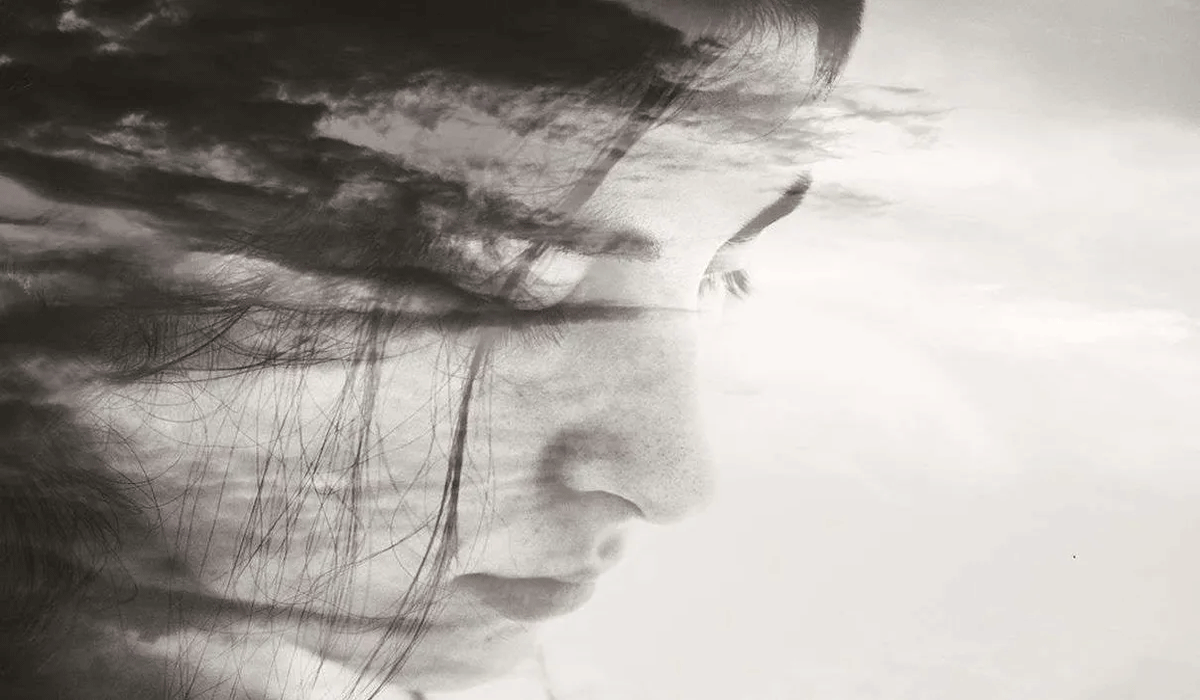
Psychedelic art has always fascinated the human imagination, taking us on visual journeys beyond reality.
Bursting colors, swirling patterns, and layered designs create more than just beauty they act as windows into the mind. This article News Time & Lets Talk Arts explores how artists transform inner thoughts and hallucinations into mesmerizing canvas creations.
The Birth of Psychedelic Art
Psychedelic art emerged during the 1960s, tied closely to music, fashion, and the counterculture movement. Artists began experimenting with visuals inspired by expanded consciousness, dreams, and meditation. Their goal was not just to grab attention but also to express deep emotional and mental experiences in a visual form.
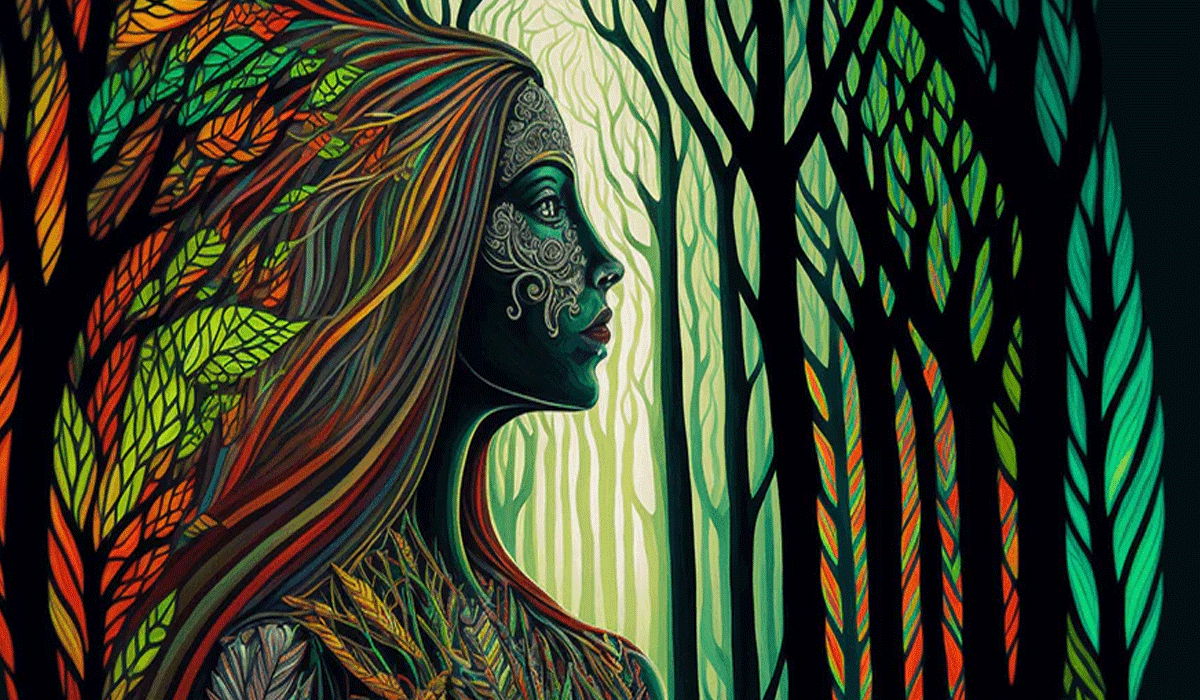
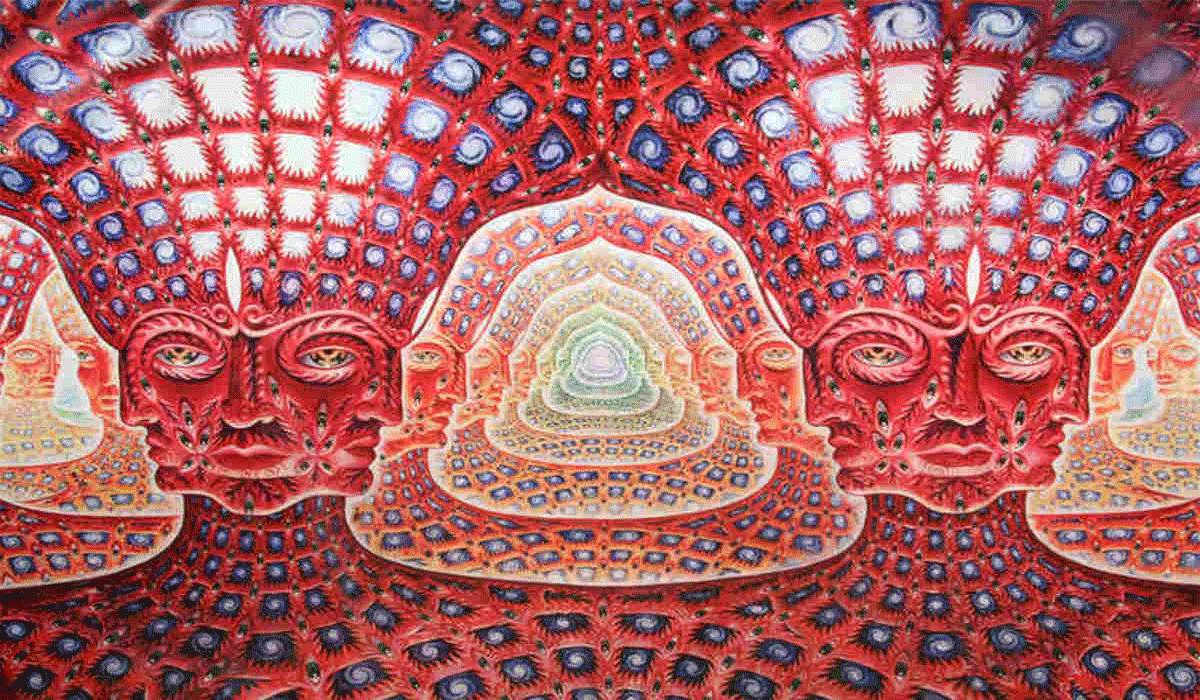
Early psychedelic works often featured symmetrical patterns, organic shapes, and dramatic color gradients. These designs reflected the inner workings of the mind, simulating the vibrant experiences seen during hallucinations or trance-like states. Every swirl or shape carried an attempt to communicate what words could not.
Artists used various tools paints, inks, and mixed media to explore these visions. By merging imagination with technique, they created a new visual language that allowed viewers to glimpse the unseen dimensions of thought and perception.
Translating Thoughts into Visuals
Visualizing the mind involves turning internal experiences into images that others can see and feel. Psychedelic artists take sensations, emotions, or hallucinations and convert them into patterns, colors, and shapes that challenge ordinary perception.
This process isn’t about copying what the mind “sees.” It’s about interpreting the feelings behind the visions. Techniques like repeating forms, distorting perspectives, and using contrasting colors help convey these ideas vividly. The result is art that sparks curiosity, amazement, and sometimes even introspection.
By engaging viewers’ senses and imagination, psychedelic art creates a shared experience of inner exploration. It allows audiences to connect with emotions and mental states that might otherwise remain invisible.
Read Also: A Deadly Adventure Through the Jungle With a Giant Anaconda
Techniques and Tools
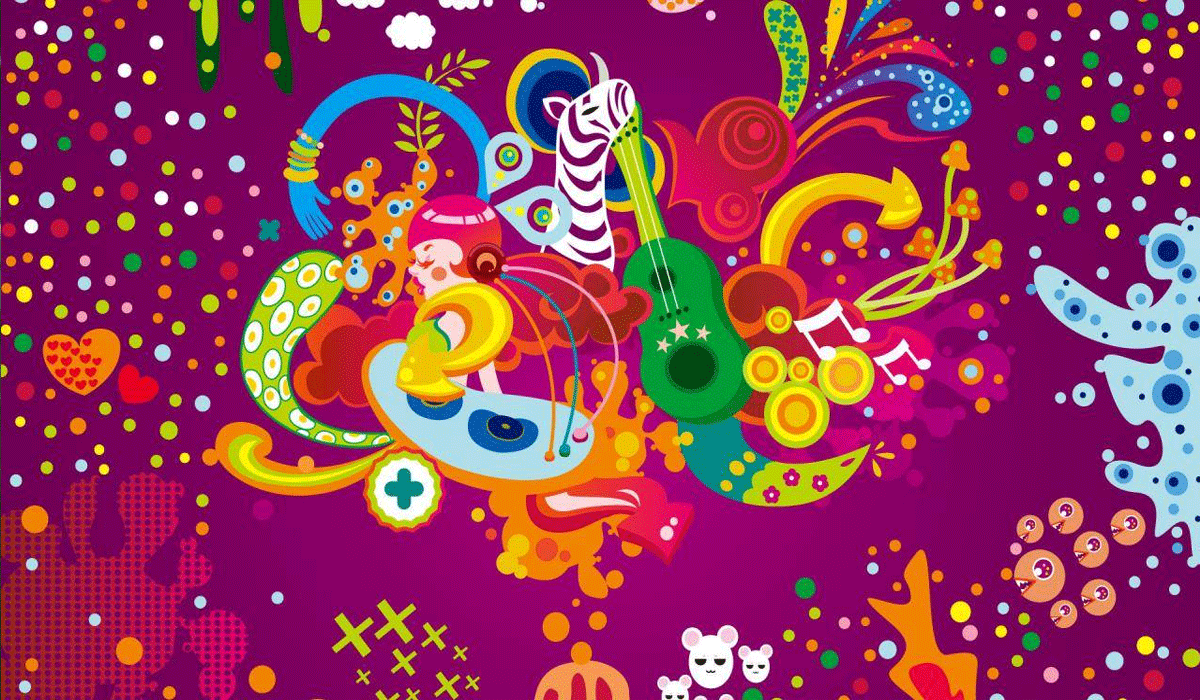
Artists use a wide range of materials to bring mindscapes to life. Oil paints, acrylics, inks, and even digital tools provide flexibility in creating dynamic and layered visuals. Layering colors and blending shapes are common techniques that give depth and illusion to the canvas.
Digital media has expanded possibilities further. Animated and digital illustrations allow forms to move organically, simulating hallucinatory experiences more vividly. Light, color, and motion can now interact in ways that physical paint cannot, creating immersive visual journeys.
Experimentation is key. Artists mix traditional and modern techniques to craft visuals that feel alive, inviting viewers to explore every corner of the canvas as if stepping into another dimension.
Modern Influence and Relevance
Psychedelic art is not just a historical phenomenon it continues to inspire contemporary culture. Designers, musicians, and modern artists integrate psychedelic elements to express identity, emotion, and social messages. Its unique visuals and emotional appeal resonate across generations.
Research in psychology and neuroscience also suggests that viewing psychedelic art can stimulate creativity and self-reflection. Complex patterns and vibrant colors encourage introspection and mental engagement, showing that art can influence thought and perception.
Today, psychedelic aesthetics are everywhere from album covers and fashion to digital media demonstrating its lasting power and adaptability in modern artistic expression.
From Mind to Canvas
Psychedelic art proves that thoughts and hallucinations can be transformed into breathtaking visuals. By combining imagination with skill, artists capture experiences that are otherwise intangible, giving them form and meaning.
The interplay of technique, media, and personal interpretation creates art that is both visually captivating and mentally stimulating. Each piece invites viewers to reflect, explore, and sometimes even question their perception of reality.
Ultimately, psychedelic art is more than decoration it’s a bridge to understanding the complexity of the human mind. From hallucination to canvas, it celebrates imagination, consciousness, and the infinite possibilities of creative expression.