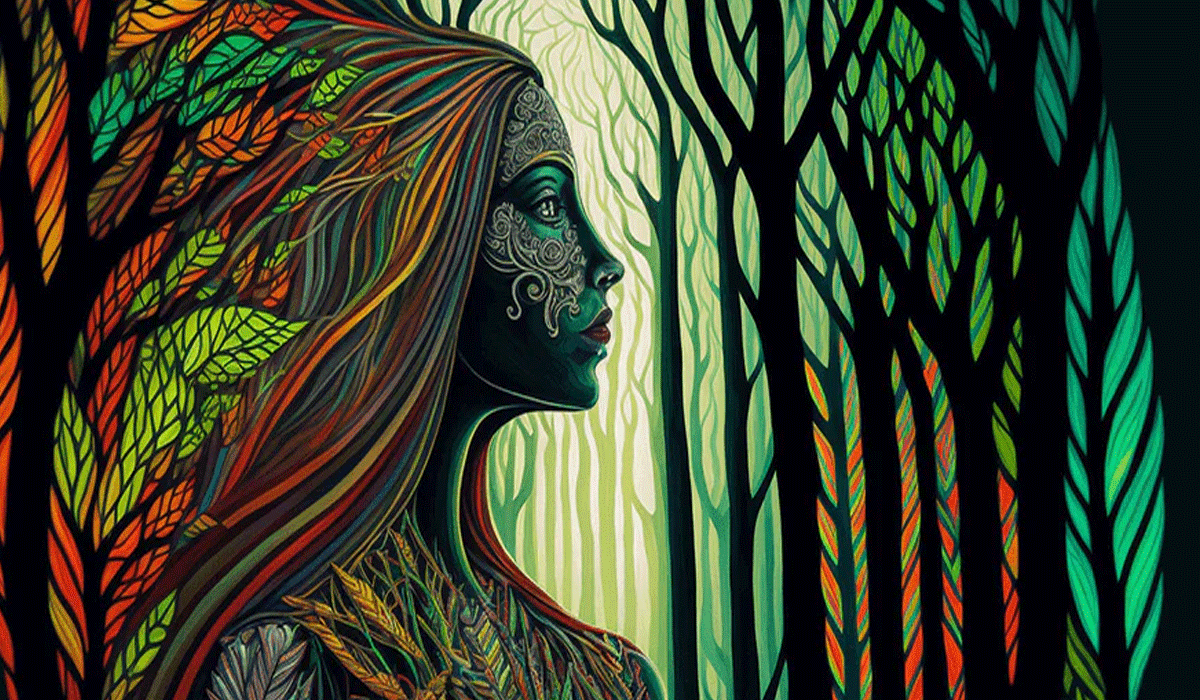
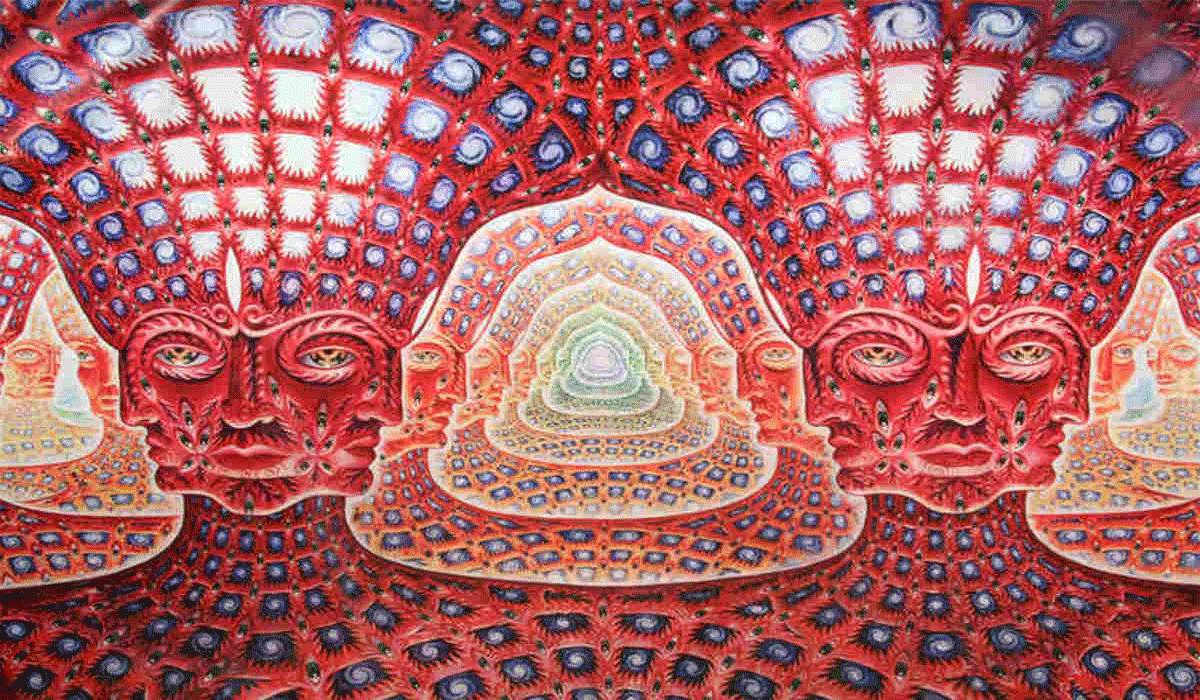
A Journey Into Modern and Traditional Art

Throughout history, Traditional art has consistently reflected society, cultural values, human emotions, and the evolving nature of expression.
From ancient cave paintings to contemporary digital installations, it tells the story of humanity’s creativity and evolution. Understanding both modern and traditional art is essential for appreciating the full spectrum of artistic expression. News Time & Lets Talk Arts will lead you into art explores the contrasts, connections, and cultural significance of these diverse forms.
Understanding Traditional Art: Roots and Cultural Significance
Traditional art refers to the creative practices passed down through generations. It includes painting, sculpture, weaving, pottery, and other forms rooted in cultural heritage. Often, traditional art serves as a historical record, reflecting the values, beliefs, and lifestyles of the time. For example, African tribal masks, Japanese woodblock prints, and Indigenous Australian dot paintings are not just visually stunning they carry deep cultural narratives.
Preserving traditional art is crucial for maintaining a connection to our history. Many traditional techniques are at risk of disappearing, but museums, cultural centers, and local communities are working to keep these practices alive. Understanding traditional art allows us to appreciate the foundation upon which modern art has been built.
The Rise of Modern Art: Breaking Boundaries
Modern art emerged in the late 19th and early 20th centuries as artists began to challenge classical conventions. Unlike traditional art, modern art emphasizes innovation, abstraction, and individual expression. Movements such as Impressionism, Cubism, Surrealism, and Abstract Expressionism revolutionized the way art is perceived.
Artists like Pablo Picasso, Vincent van Gogh, and Frida Kahlo experimented with new techniques, perspectives, and subject matter. Modern art reflects societal changes, technological advancements, and philosophical shifts. It often provokes thought, encourages debate, and invites viewers to interpret meaning in their own way.
Also Read: Discover the Stories Behind Canvas with News TimeLet’s Talk Arts
Bridging the Gap: How Traditional Inspires Modern Art

While traditional may seem worlds apart, they are deeply interconnected. Many modern artists draw inspiration from traditional forms, patterns, and techniques. For instance, Indigenous motifs have influenced contemporary textile designers, while ancient fresco techniques inspire modern muralists.
This fusion of old and new creates a dynamic dialogue between the past and present. Artists who blend traditional craftsmanship with modern sensibilities demonstrate that innovation does not erase heritage it enriches it. Appreciating both forms allows art lovers to recognize the continuity and evolution of creative expression across time.
Experiencing At Galleries, Museums, and Digital Spaces
Today, experiencing art goes beyond physical galleries and museums. Traditional and modern artworks are now accessible online through virtual exhibitions, interactive apps, and social media platforms. Museums like the Louvre, Tate Modern, and the Metropolitan Museum of Art showcase collections that span centuries, making it easier for audiences to explore modern pieces.
Digital platforms also allow emerging artists to reach global audiences, blending traditional skills with modern technologies such as digital painting, 3D modeling, and AI-generated art. Whether visiting a historic gallery or exploring an online exhibition, engaging with art is now more immersive and diverse than ever.
Art is not just a visual experience it is a conversation across generations, cultures, and mediums. By exploring both modern and traditional art, we gain a richer understanding of human creativity and its endless possibilities.
Image Source
- First Image: ebay.co.uk
- Second Image: rareinteriorart.co.uk