Anaconda In The Eyes Of Critics: Between Horror And Visual Art
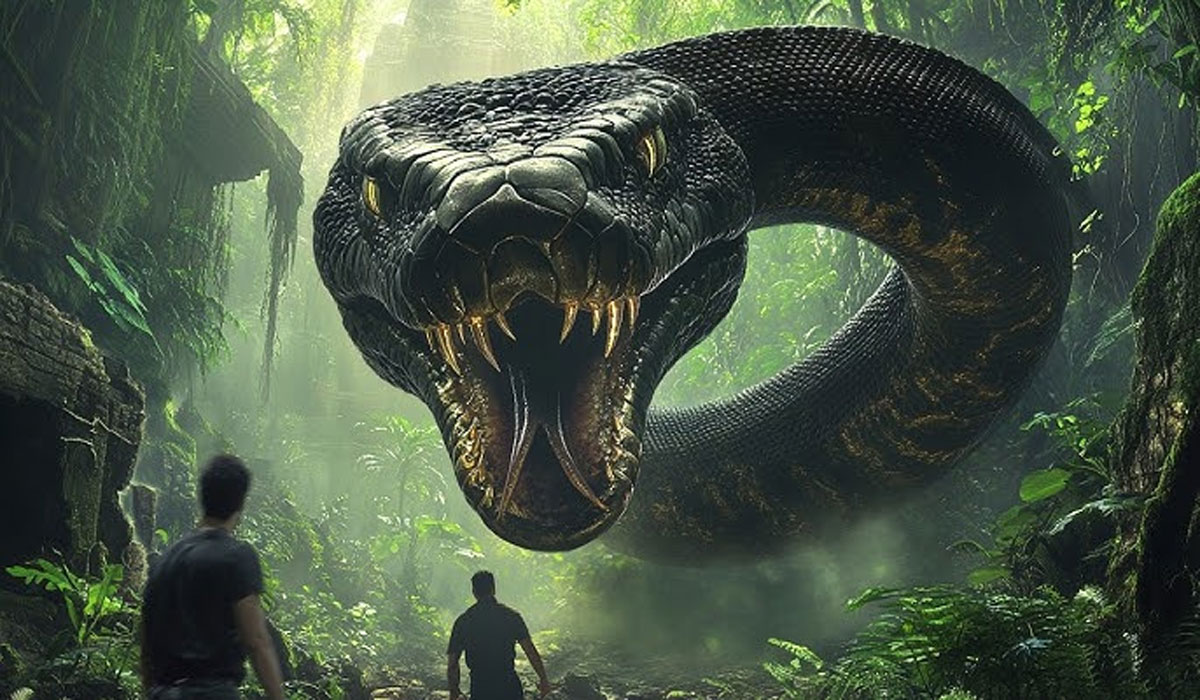
The 1997 film Anaconda has become an iconic adventure horror movie, unforgettable for its suspense, thrilling action, and jungle terror.
Following a documentary crew trapped in the Amazon rainforest. The film presents the threat of a giant snake that hunts them down one by one. While the film received mixed reviews from critics upon its release, it continues to be discussed for its cinematography, visual design, and how horror blends with artistic aesthetics.
Below, News Time & Lets Talk Arts we explore Anaconda from a critical perspective. Examining the balance between horror tension and its distinctive visual beauty.
The Chilling Horror Experience
Anaconda emphasizes tension, which is a hallmark of adventure horror films. From the opening scene, audiences are immersed in the dark, dangerous Amazon environment. The rustling of leaves, the flowing river, and dramatic sound effects effectively create a suspenseful atmosphere that keeps viewers on edge. Critics have highlighted how lighting, camera angles, and sound design contribute to a deep sense of horror, even though some consider the storyline somewhat clichéd.
Beyond cinematography, the film uses the monster as a symbol of primal human fear of the wild. The giant snake is not only a physical threat but also a representation of nature’s uncontrollable power. Critics praised the film for maintaining consistent tension, even when some scenes verge on melodrama. The horror presented goes beyond mere fright it challenges audiences to confront uncertainty and human vulnerability in the face of nature.
Cinematography And Visual Aesthetics
One of the aspects that drew attention from critics is the cinematography of Anaconda. The use of moving cameras following the characters through the jungle, combined with shots from the snake’s perspective, offers a unique visual experience. Each scene along the Amazon River is captured in detail, from dense foliage to sunlight filtering through the canopy. Critics noted that the visuals effectively make the jungle a character in itself, shaping the tension of the story.
In addition, the visual design and special effects used for the giant snake were also praised. Although CGI technology at the time was limited, the production team managed to create a snake animation that felt realistic enough to engage viewers. Critics recognized these visual efforts as an artistic element of the film, showing that special effects are not just for entertainment but also serve to enhance the horror narrative and dramatic atmosphere.
Read Also: Commercial Photography: Capturing Business, Creativity, and Impact
Characters And Critics’ Interpretations
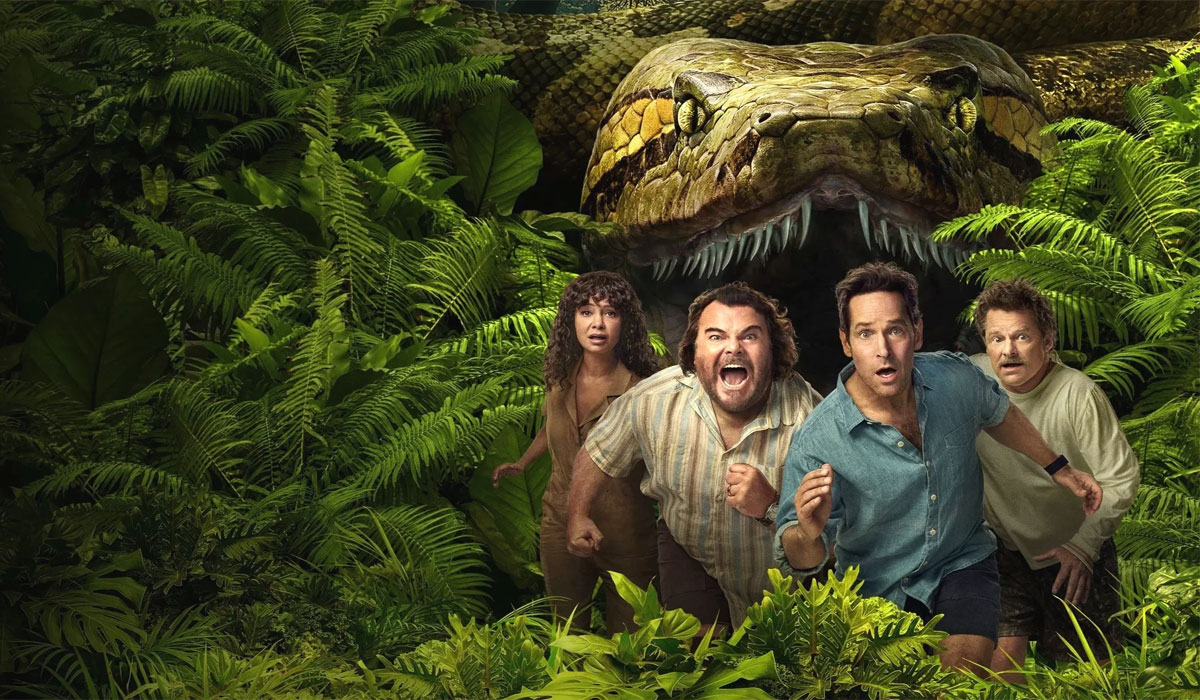
In terms of characters, Anaconda features a diverse group, ranging from documentary filmmakers to professional hunters. Critics noted that the interactions among the characters add interesting dynamics, even though some dialogues seem stereotypical. Emphasis on internal conflict strengthens the tension, as the fear arises not only from the snake but also from interpersonal struggles within the group.
The presence of well known actors adds an emotional layer to the story. Critics emphasized that strong character development allows audiences to connect with the narrative, making the fear more palpable. Despite its focus on visual horror, the film keeps its characters central to the story. Balancing action with human psychology under extreme danger.
Nature As Art In The Film
Anaconda does more than present horror; it also offers an artistic perspective on the wild. The Amazon jungle is depicted with stunning visual detail, from lush trees to diverse wildlife. Critics highlighted that the film captures both the beauty and brutality of nature Turning the setting into a narrative element essential to the story. Every river and jungle scene serves as more than a backdrop it acts as an artistic medium influencing mood and suspense.
Moreover, the giant snake serves as a strong visual symbol. Critics appreciated how its design and movements combine fear with visual beauty. The film demonstrates that horror does not have to compromise aesthetics; instead, tension and artistry can coexist, creating a memorable cinematic experience.
Legacy And Critical Reception
Since its release, Anaconda has become a part of pop culture, often cited in discussions of adventure horror films. Critics regard it as an example of how commercial cinema can still possess artistic value. While certain story aspects may be weak, the film’s visual achievements and ability to build suspense keep it relevant in analyses of cinematography and horror.
Furthermore, Anaconda’s legacy is evident in its influence on subsequent films of a similar genre. Critics noted that its visual style and innovative camera work for its time inspired later adventure horror productions. The film proves that horror can serve as a form of visual art, where fear and beauty complement each other. Leaving a lasting impression on both audiences and filmmakers.
Conclusion
Anaconda successfully combines horror and visual artistry in a unique way. Critics highlight that the tension created through cinematography, visual effects, and character development makes the film more than just a frightening experience. The beauty of nature and the symbolism of the giant snake add an artistic dimension rarely found in commercial horror films.
Despite some narrative weaknesses, Anaconda remains a notable example of how a horror film can be appreciated as visual art. Its pop culture impact and influence on adventure horror cinematography make it a film worth analyzing not just for its scares. But also for the stunning visual storytelling it delivers.
Stay tuned and dive into how Anaconda blends horror and visual art, turning suspense, cinematography, and nature into cinematic storytelling only on News Time & Let’s Talk Arts.
Image Source:
First Image from www.youtube.com
Second Image from www.filmreviewdaily.com

