Anaconda Movie Inspired Cinematic Adventure Visual Concepts
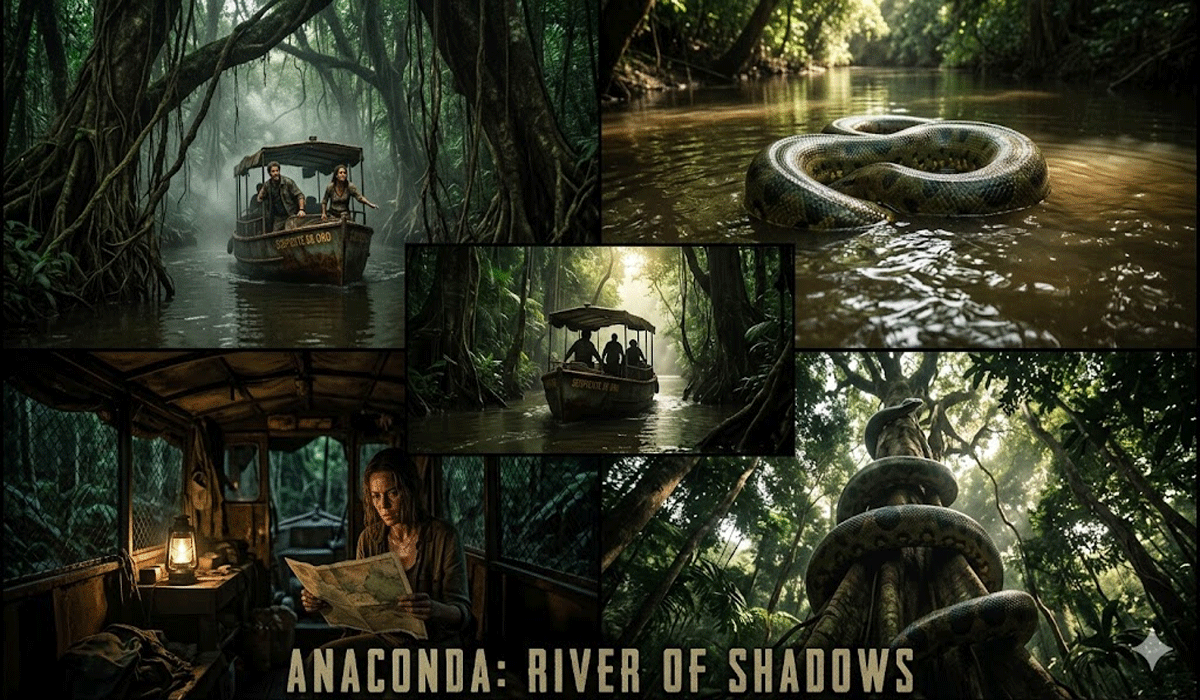
The Anaconda movie franchise is known for its intense survival horror atmosphere, dense jungle environments, and the overwhelming presence of a massive predator lurking in the wild.
Inspired by this cinematic style, adventure visual concepts built around similar themes focus on tension, isolation, and the raw unpredictability of nature.
This News Time & Lets Talk Arts article will explores the Anaconda movie franchise, known for its survival horror, dense jungle settings, and a hidden predator that creates constant tension.
Jungle as a Living Cinematic Entity
In Anaconda-inspired visuals, the jungle is never static. It moves, breathes, and creates a sense of constant uncertainty. Thick vegetation, tangled vines, and heavy mist are used to limit visibility and increase suspense.
Lighting plays a crucial role in shaping mood. Broken sunlight filtering through dense canopy creates sharp contrasts between safety and danger. Shadows often hide more than they reveal, encouraging viewers or players to anticipate unseen threats.
This approach transforms the environment into an active participant in the story rather than just a background setting.
The Presence of the Hidden Predator
A key element of Anaconda-inspired concepts is the unseen predator. Instead of showing the creature directly at all times, tension is built through subtle environmental clues.
Rippling water, disturbed foliage, and sudden silence in the jungle create psychological pressure. This technique keeps the audience in a constant state of anticipation.
When the predator is finally revealed, the impact is much stronger because of the buildup created through visual storytelling.
Read Also: Explore the Colorful, Imaginary World of Psychedelic Art and Beyond
Atmospheric Sound and Visual Harmony
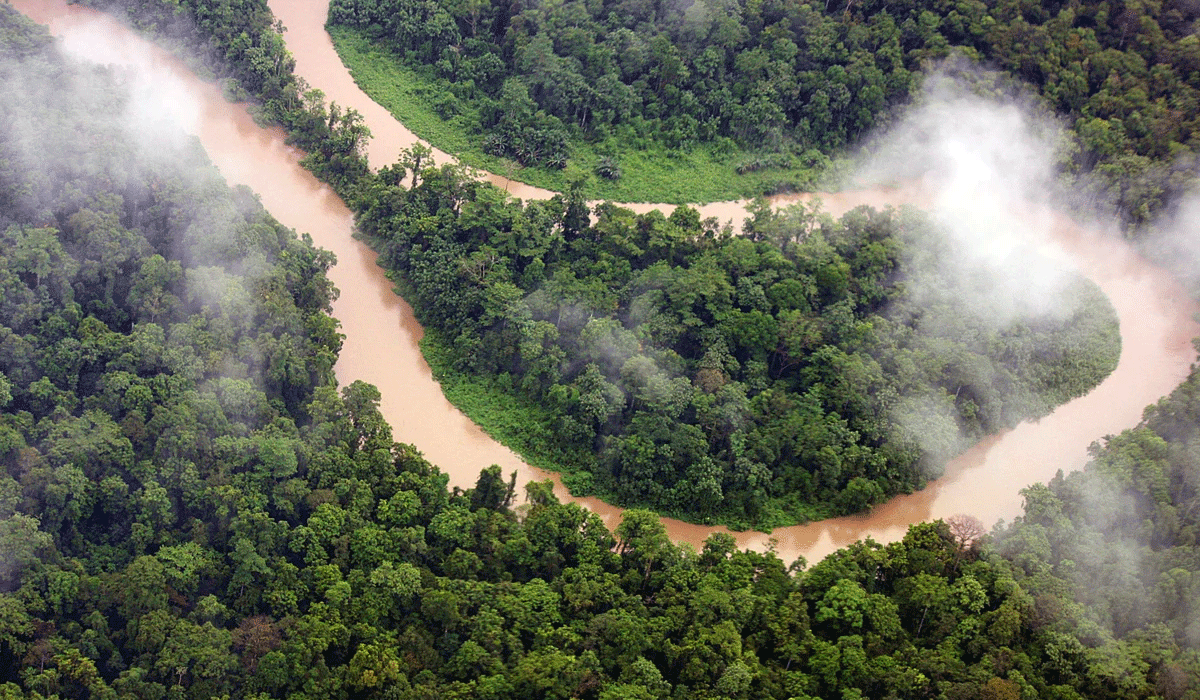
Sound design plays a major role in enhancing Anaconda-inspired visuals. Ambient jungle sounds such as distant animal calls, rustling leaves, and flowing water create realism and tension.
Sudden silence is often used as a warning signal, building suspense before a major event. This contrast between sound and silence intensifies emotional impact.
Visually, slow camera movements and close-up environmental shots help maintain immersion and heighten awareness of surroundings.
Survival-Focused Narrative Design
These cinematic concepts often revolve around survival themes. Characters are placed in unfamiliar environments where resources are limited and danger is unpredictable.
The focus is not only on escaping danger but also on adapting to the environment. This includes navigating rivers, dense forests, and unstable terrain while avoiding hidden threats.
Survival storytelling emphasizes human vulnerability when faced with nature’s overwhelming power.
Cinematic Camera Movement Techniques
Camera work in this style often mimics documentary or handheld perspectives to create realism. Slight instability in movement makes the viewer feel present inside the jungle.
Wide shots are used to show isolation, while tight close-ups increase tension during moments of danger. Transition between these perspectives helps control pacing and emotional intensity.
This combination of techniques builds a cinematic experience that feels both immersive and unpredictable.
Symbolism of Nature’s Power
Anaconda-inspired visual storytelling often symbolizes nature as an uncontrollable force. The jungle represents both beauty and danger, coexistence and destruction.
The massive predator becomes a metaphor for hidden threats that cannot be easily understood or controlled. It reflects the idea that survival depends on awareness and respect for the environment.
This symbolic layer adds depth to the visual narrative beyond simple horror or adventure themes.
Lighting and Color Palette Design
Color grading in these concepts usually relies on deep greens, earthy browns, and muted shadows. These tones reinforce the feeling of being deep within an untouched wilderness.
Occasional use of bright highlights, such as sunlight or reflective water surfaces, creates contrast and guides viewer attention.
Darkness is used strategically not just for fear, but to emphasize uncertainty and unknown possibilities.
Conclusion
Anaconda movie inspired cinematic adventure visuals focus on creating immersive jungle environments filled with tension, survival challenges, and unseen danger. Through careful use of lighting, sound, camera movement, and environmental storytelling, these concepts build a world where nature feels alive and unpredictable.
The true strength of this style lies not only in visual spectacle but in emotional engagement. It reminds audiences of the fragile balance between humans and the wild, where every step forward carries both curiosity and risk.
First Image: 938newstime.info
Second Image: scientificamerican.com

