Essential Equipment for Professional Commercial Photographers
Commercial photography is a dynamic field that blends creativity with technical expertise.
Success in this industry relies heavily on having the right tools to capture images that meet client expectations. From cameras to lighting and editing software, professional photographers invest in specialized equipment to produce high-quality, market-ready visuals. Understanding the essential gear can help photographers work efficiently, improve image quality, and maintain consistency across different types of commercial projects.
High-Quality Cameras
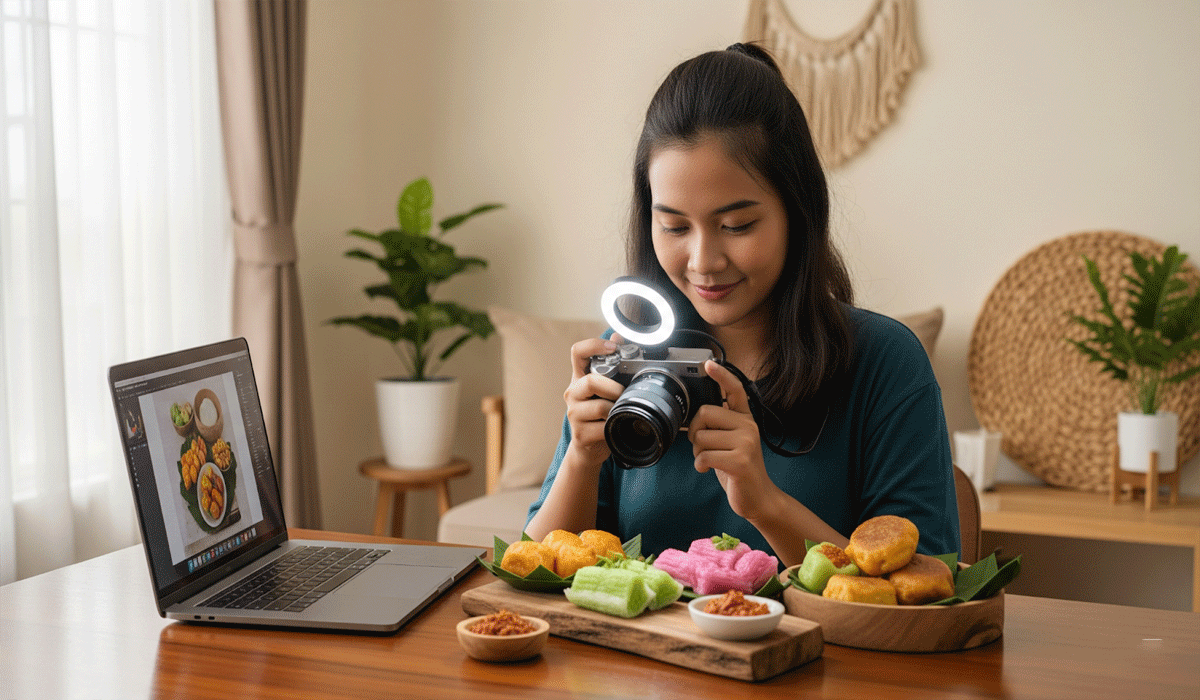
A professional camera is the cornerstone of any commercial photography setup. DSLR and mirrorless cameras with full-frame sensors are preferred due to their excellent image quality and adaptability. These cameras allow photographers to capture detailed shots, even in challenging lighting conditions.
Modern cameras also provide high-resolution options, fast autofocus, and advanced video capabilities. This versatility makes them suitable for product shoots, lifestyle photography, and advertising campaigns. Investing in a reliable camera ensures that the photographer can handle diverse client needs without compromising quality.
Additionally, professional cameras support interchangeable lenses, which is crucial for adapting to various shooting scenarios. The ability to switch lenses allows photographers to capture everything from wide-angle shots to close-up product details. A high-quality camera combined with the right lens produces sharper, more vibrant images.
Versatile Lenses
Lenses play a critical role in shaping the final look of commercial images. Prime lenses, such as 35mm and 50mm, are ideal for lifestyle and product photography. They produce sharp images with beautiful background blur, helping subjects stand out.
Zoom lenses, like the 24-70mm, offer flexibility for different compositions. Photographers can easily switch from wide to medium-range shots without changing lenses, which saves time during fast-paced shoots. This adaptability is essential when covering multiple client requirements in one session.
Telephoto lenses, such as 70-200mm, are perfect for capturing portraits or distant subjects. They provide compression effects that enhance product presentation and add a professional touch to images. Having a variety of lenses ensures photographers can handle any commercial assignment confidently.
Also Read: A World of Color and Imagination: The Magic of Psychedelic Art
Professional Lighting Equipment
Lighting is a fundamental component of commercial photography. Studio strobes or continuous lights allow photographers to control illumination precisely, enhancing the appearance of subjects or products. Proper lighting reduces shadows and highlights important details.
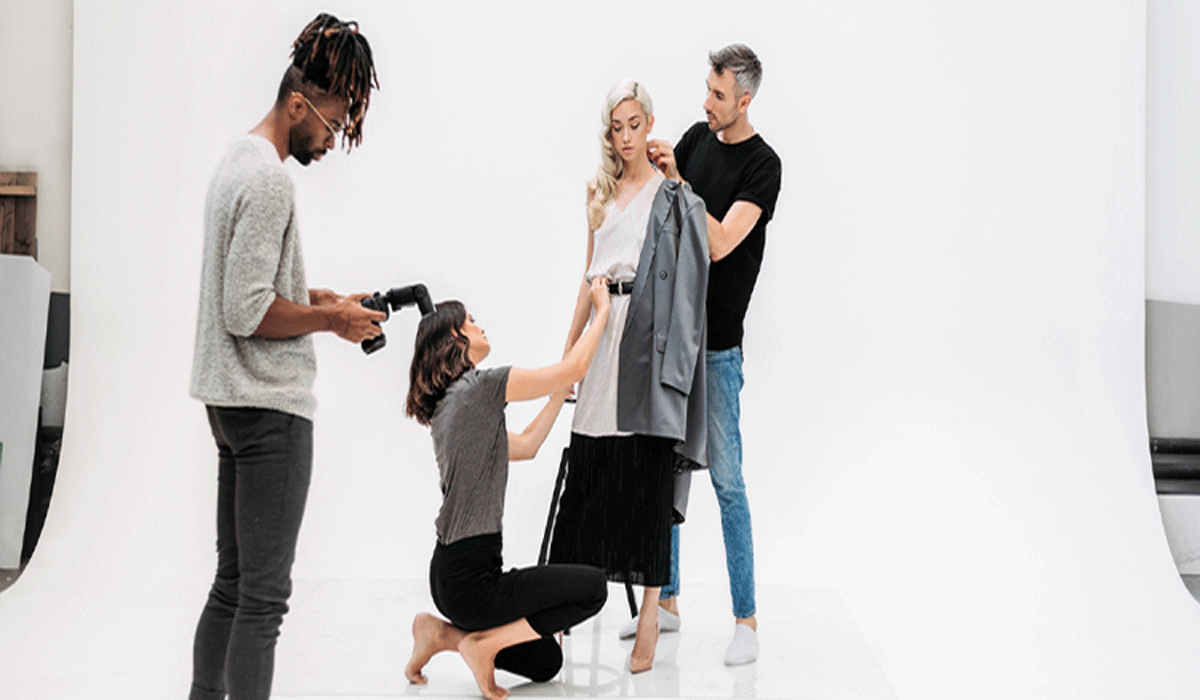
Softboxes and umbrellas help diffuse light, creating a natural and even glow. This is particularly important for fashion and product shoots where harsh shadows can distract from the subject. Controlled lighting enhances image quality and professionalism.
Reflectors and diffusers are also valuable tools. They redirect light or soften it to highlight products or models effectively. Combining multiple lighting elements allows photographers to achieve consistent, high-quality results in any environment.
Tripods and Stabilization Tools
A sturdy tripod is essential for producing sharp, stable images, especially in product photography or low-light conditions. Tripods minimize camera shake, ensuring crisp results in every shot.
Monopods and gimbals provide additional stabilization for dynamic shoots. They allow photographers to move freely while maintaining smooth, steady footage. This is particularly useful for lifestyle, fashion, or event photography.
Stabilization tools also improve efficiency during long sessions. Photographers can maintain consistent framing and angles without constantly adjusting the camera. This consistency ensures higher-quality results and saves time during editing.
Computer and Editing Software
Post-production is a crucial stage in commercial photography. A high-performance computer with sufficient RAM and processing power is necessary for smooth workflow and large file handling. Efficient systems reduce lag during editing sessions.
Software like Adobe Photoshop and Lightroom allows photographers to enhance images professionally. Photoshop is ideal for retouching and detailed adjustments, while Lightroom enables batch editing and color correction. Both tools are industry standards for delivering polished results.
Capture One is another powerful editing option for professionals. Known for superior RAW image processing, it provides precise color control and advanced editing features. Investing in reliable software ensures photographers can maintain consistency and high standards across all projects.
Accessories and Backup Gear
Professional photographers rely on various accessories to ensure smooth operations. Extra memory cards and batteries prevent interruptions during shoots. Reliable storage solutions, such as external hard drives, safeguard valuable work.
Camera bags and protective cases are essential for transporting gear safely. They protect expensive equipment from damage during travel and outdoor shoots. Keeping equipment organized also improves efficiency during fast-paced sessions.
Additional tools like color calibration devices help maintain accurate editing results. By ensuring consistent color across multiple platforms, photographers deliver images that meet client expectations. Having backup gear provides peace of mind and prevents disruptions.
Conclusion
Investing in essential equipment is critical for professional commercial photographers. From cameras and lenses to lighting, stabilization, and editing tools, the right gear allows photographers to produce high-quality, market-ready images efficiently.
By carefully selecting and maintaining professional equipment, photographers enhance their creative potential, meet client expectations, and build a strong reputation in the competitive commercial photography industry. Reliable tools are the foundation of consistent, professional results.
Image Source:
First Image from: grattanstudios.com
Second Image from: waldo.pro