Exploring Entertainment Through Art: Movies and Creative Expression

Discover how movies and other forms of entertainment reveal creativity, artistic expression, and cultural storytelling in modern media.
From blockbuster films to live music performances, entertainment contains layers of creativity that often go unnoticed. By viewing entertainment through the lens of art, we can better understand the creative processes, visual styles, and cultural messages embedded in the media we consume. This article from News Time & Lets Talk Arts explores the relationship between entertainment and art, offering a new perspective for viewers.
Entertainment as a Creative Expression
Entertainment, whether movies, TV shows, or music, is one of the most accessible forms of artistic expression. Every part storytelling, visuals, or sound is built using principles similar to traditional art. For example, cinematography in blockbuster films isn’t just about capturing images; it’s a way for visual artists to convey emotions, set moods, and guide viewers through the story.
Modern entertainment often blends multiple art forms. Musicals, theater, and live concerts combine visual design, dance, and music to create a multidimensional experience. This combination adds layers of creativity that make the performance more engaging and immersive for audiences.
Understanding entertainment as art allows us to notice small but meaningful details. From visual symbolism to musical composition and stage design, these elements enrich the experience and highlight the thought and effort behind what might seem like simple fun.
Movies and Visual Storytelling
Movies are one of the clearest examples of art in entertainment. Every scene is carefully designed like a painting: lighting, camera angles, and color create mood and highlight key messages. Directors and creative teams use these elements to guide viewers’ emotions, similar to how a painter directs the audience’s eye through composition.
Storytelling in film is also a form of art. Dialogue, character development, and plot structure are carefully arranged to entertain, move, and sometimes challenge the audience. Films can evoke emotions while encouraging deeper thinking, making them more than mere entertainment. By looking at films this way, audiences can appreciate them not only for the plot or action but also for the artistry involved in every frame. Movies become a combination of visual art, narrative craft, and cultural expression.
Read Also: The Mystery of the Amazon River and the Terror of the Deadly Anaconda
Music As An Artistic Force
Music in entertainment carries its own unique artistic power. Film scores, for example, do more than accompany scenes they enhance emotion and reveal character traits. Composition techniques reflect classical art principles like rhythm, harmony, and dynamics, influencing how viewers feel in subtle but meaningful ways. Live concerts offer interactive artistic experiences.
Stage design, lighting, costumes, and choreography all work together to complement the music. These performances are not just about listening they’re visual and emotional experiences. Music, when seen as art, transforms entertainment into a creative journey. Fans and audiences engage with layers of meaning, appreciating both the sound and the visual storytelling that accompanies it.
Commercial Photography in Entertainment
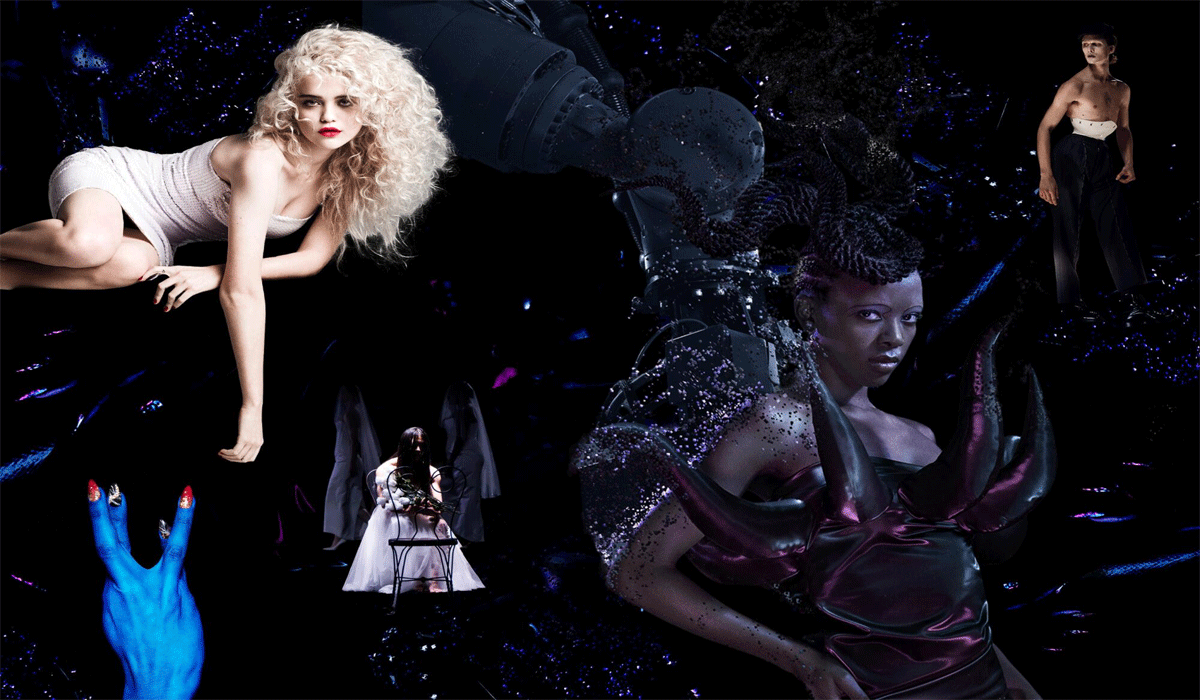
Commercial photography often gets dismissed as promotion, but it is an art form in itself. Movie posters, album covers, and advertisements use lighting, composition, and color to grab attention and tell a story. Each image conveys mood, genre, and emotion in a single frame. Photographers act as interpreters of entertainment, turning media into visual art.
Every shot communicates narrative elements and aesthetic appeal, adding depth to the way audiences perceive the media. By appreciating commercial photography as art, audiences can recognize the creativity behind marketing materials and understand that even promotional images have thoughtful design and artistic intent.
Entertainment, Art, and Culture
Entertainment reflects culture and society. Movies, music, and popular shows often showcase social trends, values, and aesthetic ideas. Through artistic analysis, we can see how media expresses collective identity, aspirations, and critique. Artistic elements in entertainment also inspire new generations of creators.
Visual style, narrative techniques, and musical innovation encourage young artists to experiment and develop original works. Ultimately, entertainment is not just passive consumption it’s a dynamic exchange of creativity and culture. By recognizing its artistic value, audiences gain a deeper understanding of both media and society.
Stay tuned and explore how movies, music, and entertainment reveal art and creativity only on News Time & Let’s Talk Arts.
Image Source:
First Image from sleekshoppers.co.uk
Second Image from www.latimes.com