From Canvas to Digital: The Evolution of Art and Technology
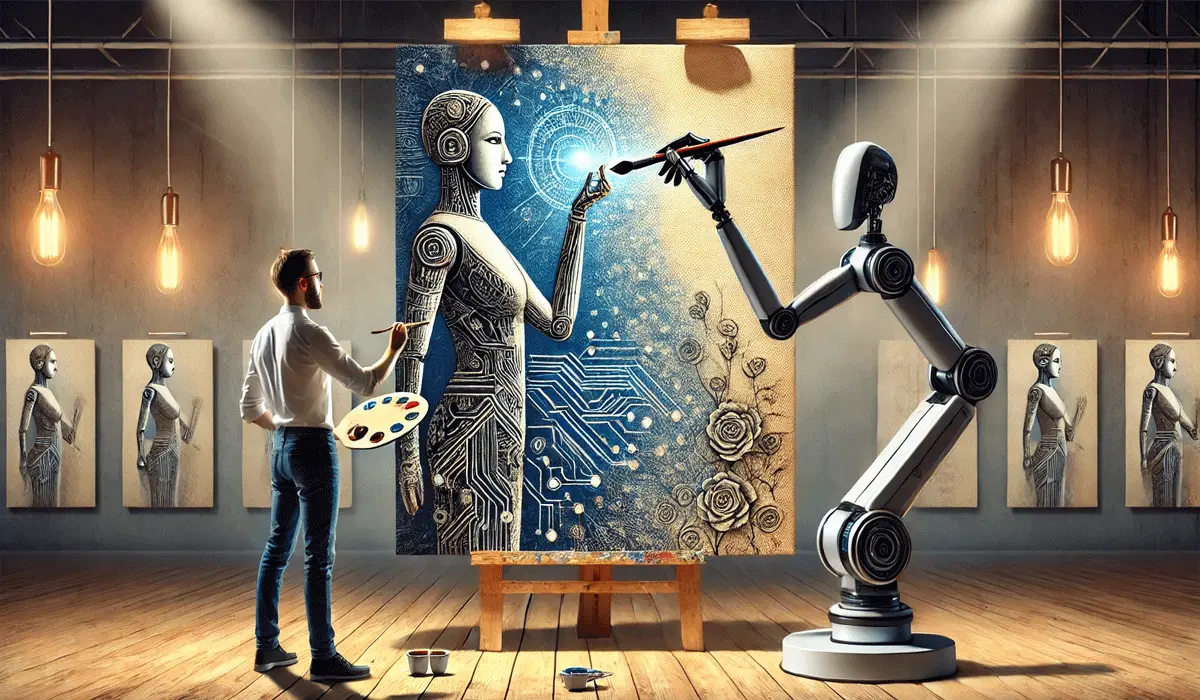
From charcoal on cave walls to oil on canvas, and now pixels on screens, the evolution of art mirrors the evolution of human innovation.
The journey from traditional canvas to digital platforms represents one of the most significant transformations in the history of artistic expression. Here are News Time & Lets Talk Arts, creative spaces that present news, art, and inspiration, opening new perspectives, enlivening creativity, and providing meaningful experiences every day.
The Roots of Traditional Art
For centuries, art was defined by physical materials and manual skill. Painters relied on brushes, pigments, and canvas, while sculptors shaped stone, wood, or metal with their hands. These traditional methods required years of training and mastery, making art both a craft and a discipline. The tactile nature of traditional art created a strong connection between the artist and the artwork, as every brushstroke or chisel mark carried physical effort and intention.
Art in this era was often limited by geography and accessibility. A painting could only be seen by those who visited a gallery, palace, or church. Despite these limitations, traditional art laid the foundation for visual storytelling, aesthetics, and cultural identity that continue to influence modern creativity.
The Rise of Technology in Artistic Creation
The introduction of photography in the 19th century marked one of the first major technological shifts in art. Suddenly, realism could be captured instantly, challenging painters to explore new styles such as Impressionism and Abstract art. This moment proved that technology does not replace art but instead pushes it in new directions.
As technology advanced, tools like film, video, and digital imaging emerged. Artists began experimenting with computers in the late 20th century, using early software to create graphics and animations. These innovations expanded artistic possibilities, allowing creators to manipulate color, form, and composition in ways that were impossible with traditional tools alone.
Digital Art and New Creative Tools
Digital art has revolutionized the creative process. With software such as Photoshop, Procreate, and 3D modeling programs, artists can now create complex works using tablets, styluses, and computers. Mistakes can be undone instantly, ideas can be tested quickly, and artists have access to endless virtual materials.
This shift has also lowered barriers to entry. Anyone with a device and internet connection can explore art creation, leading to a surge of new voices and styles. Digital tools empower artists to blend illustration, animation, sound, and interactivity, creating multimedia experiences rather than static images.
Read Also: Psychedelia in Art: Fantastic Harmonies of Color and Form
The Impact of the Internet and Social Media
The internet has transformed how art is shared and consumed. Social media platforms allow artists to reach global audiences without relying on galleries or publishers. An artwork can go viral within hours, connecting creators with fans, clients, and collaborators worldwide.
Online platforms have also reshaped the definition of success in art. Engagement, visibility, and community support now play major roles alongside traditional recognition. While this exposure offers new opportunities, it also presents challenges such as oversaturation, copyright issues, and pressure to constantly produce content.
The Future of Art: AI, NFTs, and Beyond
The latest evolution in art and technology includes artificial intelligence, virtual reality, and blockchain-based NFTs (non-fungible tokens). AI can now generate images, music, and even poetry, raising questions about authorship and creativity. Meanwhile, NFTs have introduced new ways for artists to sell and authenticate digital works.
These technologies challenge traditional definitions of art but also open exciting possibilities. Virtual galleries, immersive experiences, and human–machine collaboration suggest that art will continue to evolve in unpredictable and innovative ways.
Image Information Source:
- First Image from: mlib.substack.com
- Second Image from: simplilearn.com