Mind Color Explosion: Exploring the World of Psychedelic Art
Explore psychedelic art, its history, styles, and cultural impact highlighting creativity, color, and imagination around the world today.
In today’s ever-evolving creative landscape, psychedelic art stands out as one of the most visually striking and emotionally stimulating forms of expression. Known for its vibrant colors, surreal patterns, and disorienting visuals, this art style is often associated with altered perception and expanded imagination.
Here, News Time & Lets Talk Arts will guide you through its meaning, history, techniques, cultural influence, and growing presence in the digital world.
Understanding Psychedelic Art
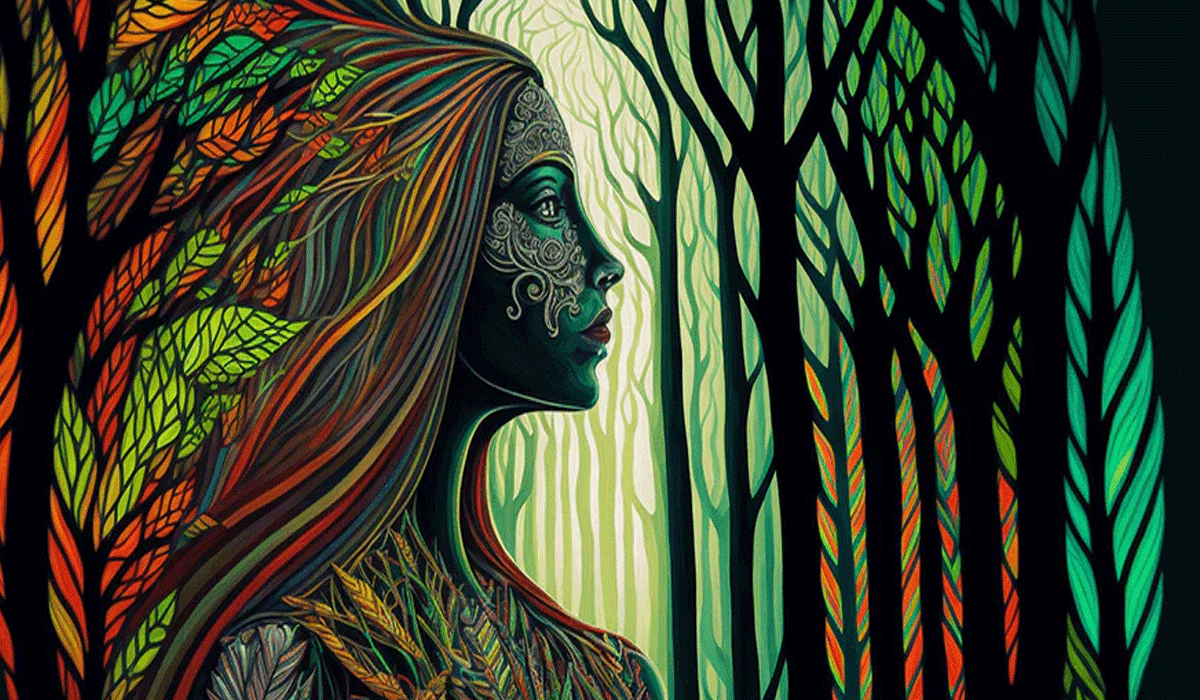
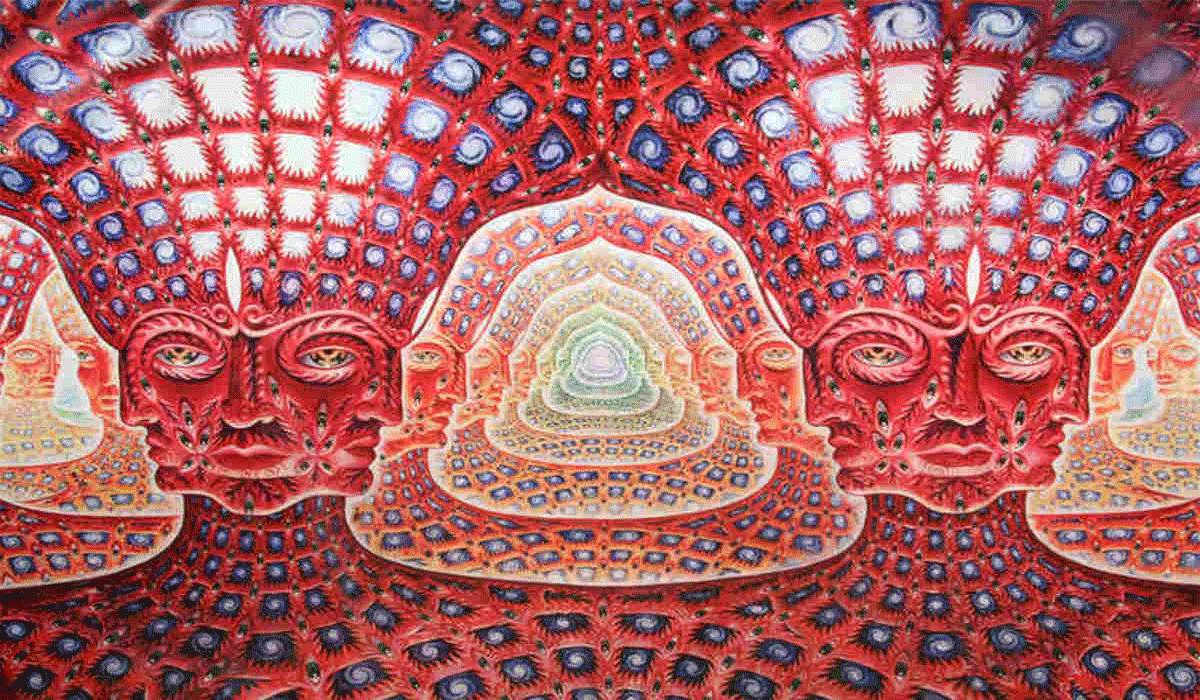
Psychedelic art is a visual style that emphasizes intense colors, abstract forms, and surreal imagery designed to mimic or represent altered states of consciousness. It often features swirling patterns, kaleidoscopic designs, and exaggerated contrasts that create a sense of movement and depth.
The main goal of psychedelic art is to stimulate the viewer’s senses and imagination. It often encourages people to interpret meaning subjectively rather than focusing on realistic representation. Artists use distortion and visual complexity to break normal perception rules and create immersive visual experiences.
Origins and Historical Development
The origins of psychedelic art can be traced back to the 1960s counterculture movement, where art, music, and social change were closely interconnected. During this era, artists began experimenting with visuals inspired by altered states of consciousness and new cultural philosophies. Music festivals and underground art scenes played a major role in its development.
One of the most influential mediums for psychedelic art was music poster design, especially in rock and experimental music scenes. These posters often featured distorted typography, bright colors, and surreal imagery that reflected the spirit of freedom and rebellion. Album covers from this era also became iconic representations of the movement.
Also Read: The Complete Guide To Starting a Career In Commercial Photography
Visual Elements and Techniques
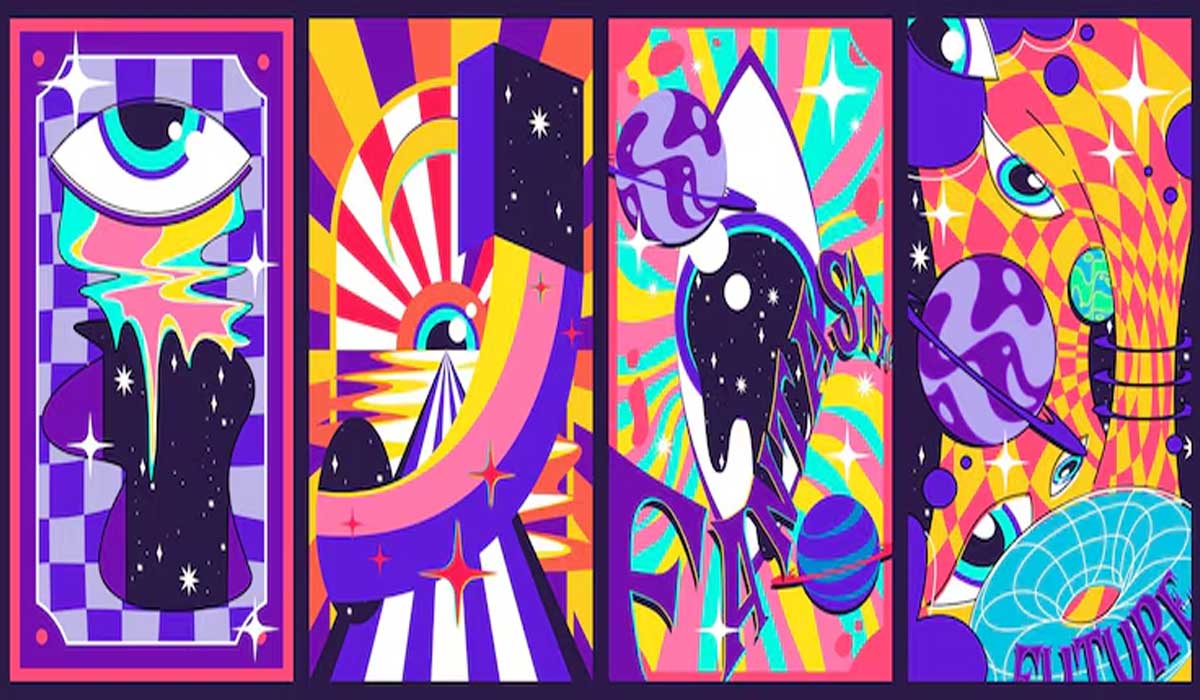
Psychedelic art is characterized by its bold use of color, intricate patterns, and optical illusions. Artists often use contrasting hues such as neon greens, deep purples, and electric blues to create visual intensity.
Techniques such as symmetry distortion, fractal design, and freeform abstraction are commonly used. Many artists also incorporate hand-drawn elements combined with digital manipulation to achieve a layered and immersive effect. The goal is to create a visual experience that feels dynamic and almost hypnotic.
Cultural Influence in Modern Society
Psychedelic art continues to influence modern culture in various ways, especially in music, fashion, and advertising. Many contemporary album covers, festival visuals, and brand identities borrow heavily from psychedelic aesthetics to attract attention and create emotional impact.
In fashion, psychedelic patterns are used in clothing designs that emphasize individuality and self-expression. These designs often appeal to younger generations seeking bold and unconventional styles. The influence can also be seen in interior design, where vibrant and abstract patterns are used to create energetic spaces.
Psychedelic Art in the Digital Era
With the rise of digital tools, psychedelic art has entered a new phase of evolution. Artists now use software to create highly detailed and animated visuals that were once impossible to produce by hand. This has expanded the possibilities of complexity, motion, and interactivity in psychedelic design.
Digital platforms such as social media and NFT marketplaces now help psychedelic artists reach global audiences. Artists share their work instantly, which allows people across cultures to appreciate and collaborate more easily. This digital shift also makes psychedelic art more accessible and increases its commercial potential.
Conclusion
Psychedelic art is a powerful and evolving form of visual expression that continues to inspire creativity across generations. From its roots in the 1960s counterculture to its modern digital transformation, it has maintained its ability to challenge perception and expand imagination.
Its vibrant colors, abstract forms, and symbolic depth make it a unique artistic language. As technology continues to evolve, psychedelic art will likely grow even more dynamic, influencing future design, culture, and creative expression worldwide.
Image Source:
First Image from: www.latimes.com
Second Image from: www.freepik.com