Modern Psychedelics: From Canvas to Digital Visuals
Modern psychedelics From canvas to digital visuals, explore the evolution of art, creative techniques, and stunning contemporary visual expression.
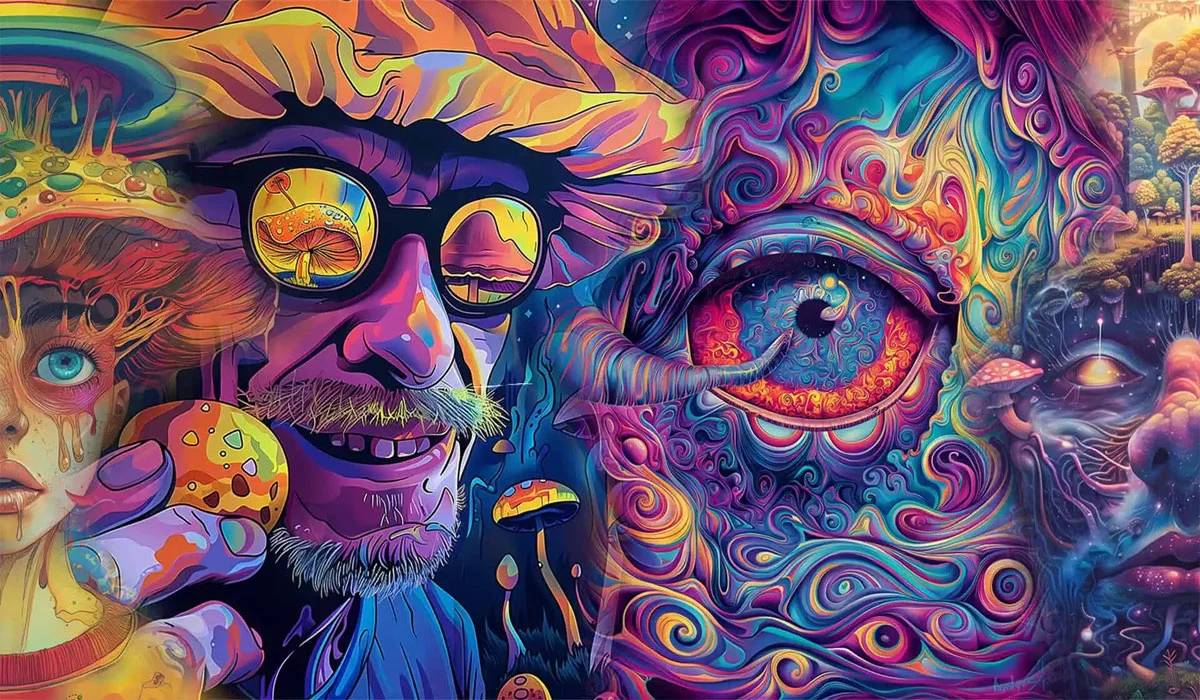
Psychedelics has long been a captivating style of artistic expression, with its bold colors, repetitive patterns, and perception-bending shapes. Originally born from canvas and poster art in the 1960s, the psychedelic aesthetic has evolved into the digital realm. Technological advancements have enabled artists to create more interactive, dynamic, and immersive visuals, taking the psychedelic experience to a level previously unattainable with traditional media.
History of Psychedelics and the Canvas Era
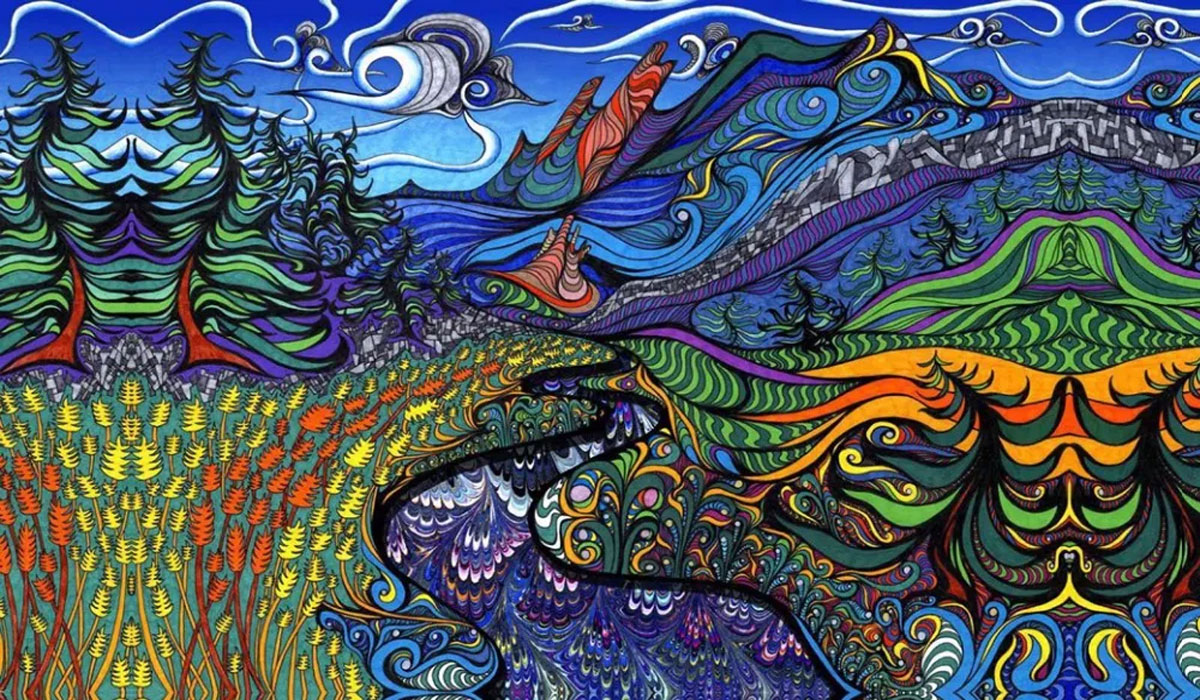
Psychedelic art emerged as a visual expression of social and cultural changes in the 1960s, particularly in the United States and Europe. Artists used bright colors, circular and abstract shapes, and high contrast to create visual experiences that mimic altered states of perception or expanded states of consciousness.
Music posters, album covers, and murals became primary media for psychedelic artists to express ideas and emotions. Names like Peter Max and their works became visual icons of the era. Canvas and print media provided a concrete, physical dimension, where paint textures, layers of ink, and detailed brushstrokes created a unique aesthetic experience for each viewer.
Adaptation to Digital Media
With the advent of computers and graphic design software, psychedelic aesthetics began to adapt to digital media. This adaptation not only multiplied the number of works that could be produced but also opened up possibilities for manipulation of shape, color, and animation that were previously difficult to achieve in traditional media.
Digital artists could express psychedelia through motion graphics, animated loops, and interactive visuals. For example, works that were once confined to a still canvas could now move, change color, or react to user input. This adaptation made psychedelic art relevant for new media such as music videos, live performances, and interactive installations, keeping its classic aesthetic alive in the digital age.
Also Read: From News Screens To The Arts Stage: Inspiring Entertainment Trends
Digital Technology and Visual Experimentation
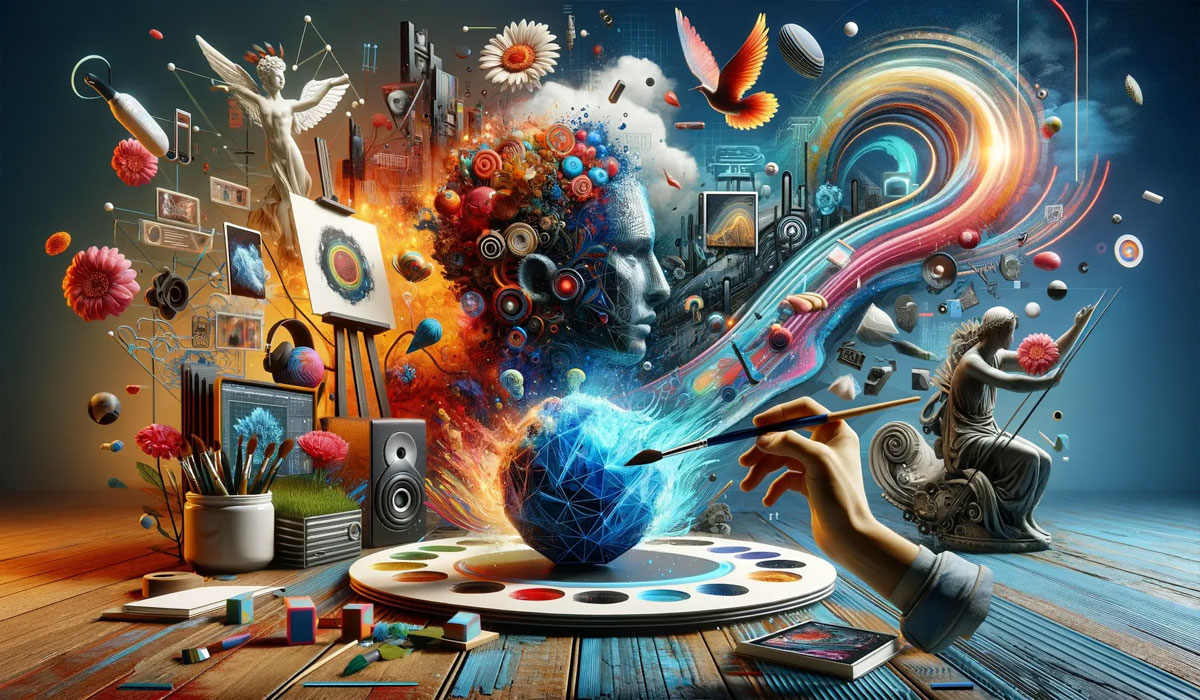
Modern technology opened up a vast space for visual experimentation for psychedelic artists. Software such as Adobe After Effects, Blender, and generative art applications enabled the manipulation of shape, lighting, and complex visual effects. Artists are also leveraging AI and generative algorithms to create unique and dynamic patterns, adding layers of complexity that would be impossible to achieve manually.
Furthermore, virtual reality (VR) and augmented reality (AR) technologies provide immersive experiences for art lovers. Viewers not only view psychedelic works but can “enter” them, exploring patterns and shapes moving in three-dimensional space. This transformation confirms that modern psychedelics are no longer static, but have become multisensory experiences that can be customized through user interaction.
Contemporary Trends in Digital Psychedelics
Modern psychedelics not only adhere to classical aesthetics but also adapt to contemporary visual trends. Many artists combine retro styles with futuristic elements, such as glitch art, minimalist neon, and holographic effects. Social media and digital platforms like Instagram and TikTok have also popularized micro-psychedelics—short visual loops that can go viral and are easily shared.
Collaborations between visual artists, musicians, and UI/UX designers are also emerging, making psychedelics a part of interactive design and everyday digital experiences. Digital music visualizations, AR filters for cameras, and animated interfaces are examples of how psychedelic aesthetics continue to evolve, remain relevant, and influence trends in modern visual culture.
Impact on Modern Visual Culture
Modern psychedelics have expanded the boundaries of visual expression and influenced various creative industries, from music and fashion to digital entertainment and marketing. This aesthetic influences how people perceive color, shape, and visual interactions in everyday media.
Furthermore, the immersive experience of digital psychedelics encourages artists to think more interactively and experimentally, while audiences learn to appreciate art not simply as a static object, but as a dynamic sensory experience. This impact is evident in modern interface design, branding animation, and even live music events that utilize interactive visuals to create unforgettable experiences.
Modern psychedelics have evolved from traditional canvases to interactive and immersive digital visuals. This transformation allows artists to express ideas and emotions in ways that are more complex, dynamic, and in keeping with contemporary technology.