Psychedelic Art Techniques for Beginners
Exploring the vibrant and mind-bending world of psychedelic art can be a thrilling experience for beginners.
This style, known for its vivid colors, surreal imagery, and intricate patterns, allows artists to tap into creativity that transcends traditional boundaries. Whether you want to create hypnotic visuals, expressive paintings, or digital masterpieces, understanding the foundational techniques is essential for a successful start.
The following News Time & Lets Talk Arts will explain about psychedelic art techniques for beginners.
Understanding Psychedelic Art and Its Foundations
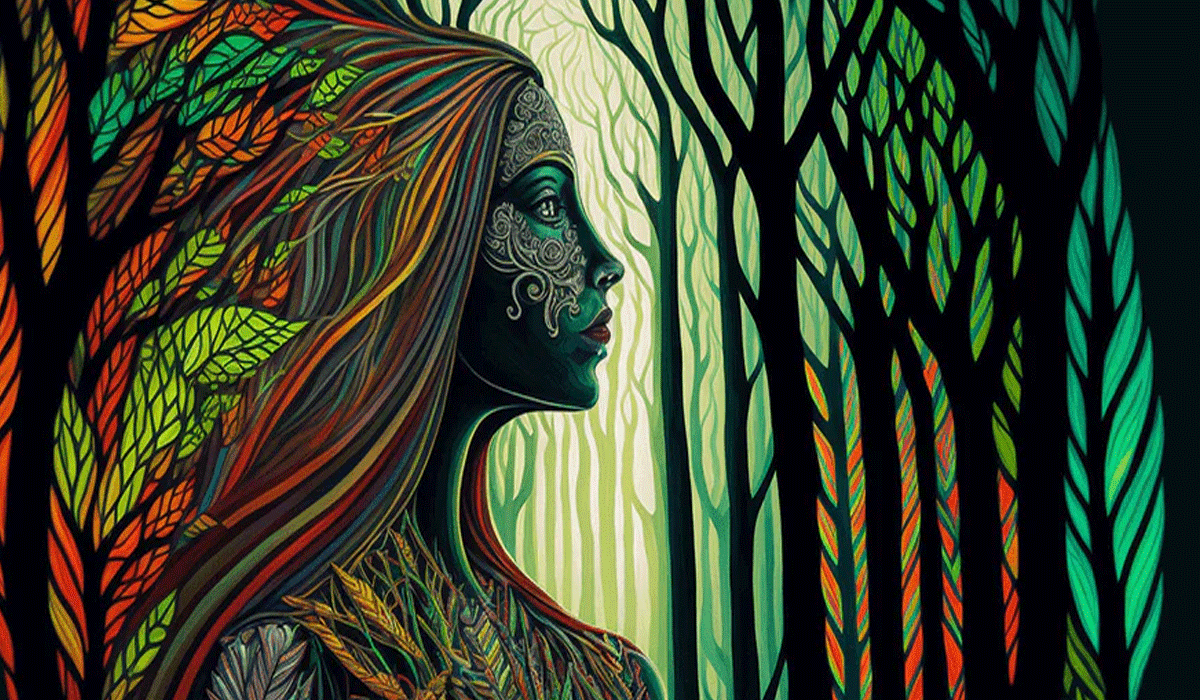
Before diving into creating psychedelic art, it is crucial to understand what defines this unique style. Psychedelic art emerged in the 1960s alongside the counterculture movement, heavily influenced by music, spirituality, and hallucinogenic experiences. Its key characteristics include bright, contrasting colors, fluid shapes, and intricate patterns that often evoke a sense of motion or altered perception.
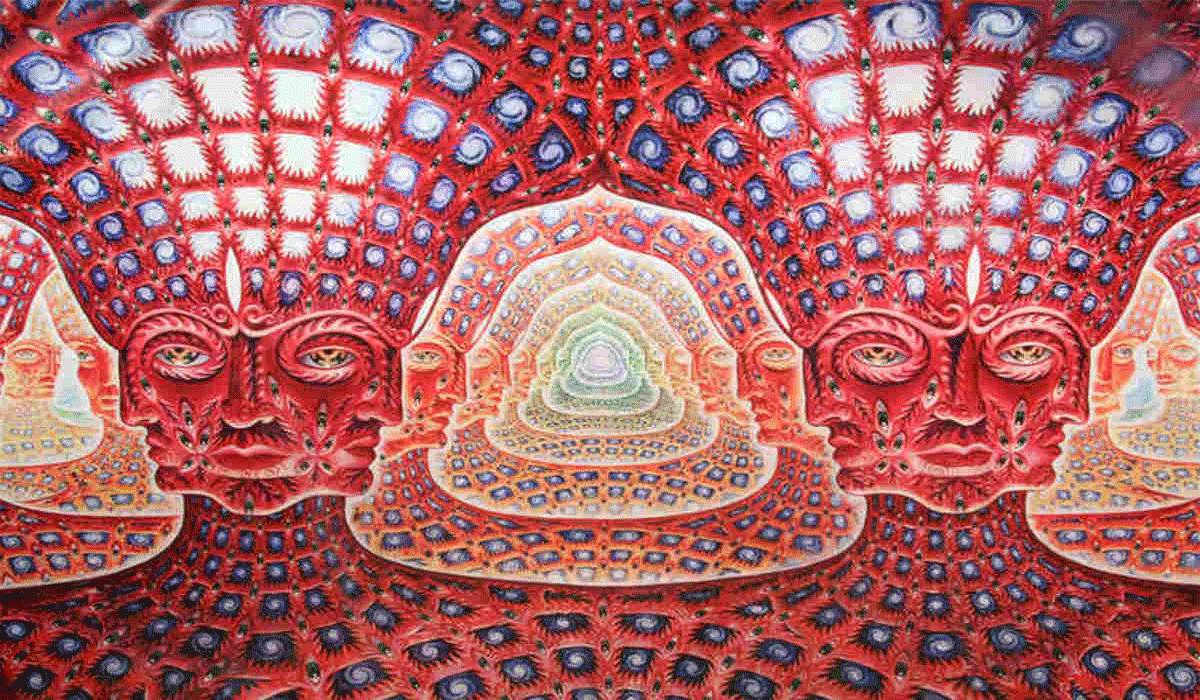
For beginners, familiarizing yourself with these foundational elements is essential. Observing works by iconic psychedelic artists like Victor Moscoso or Alex Grey can provide inspiration and help identify recurring motifs, such as mandalas, fractals, and surreal landscapes. These elements form the visual language of psychedelic art and offer a starting point for your own creations.
Another critical aspect is understanding color theory and how contrasting colors can create optical effects. Psychedelic art relies heavily on color interplay to evoke emotion and captivate the viewer. Learning to manipulate complementary colors and gradients will allow your pieces to have the vibrant energy that defines the genre.
Experimenting with Color and Gradient Techniques
Color is the heart of psychedelic art, and mastering gradient techniques is essential for beginners. Gradients create smooth transitions between colors, adding depth and a sense of fluidity to your work. Start by experimenting with basic two-color gradients and gradually move to more complex multi-color blends that swirl and interact dynamically.
Watercolor, acrylics, and digital software like Procreate or Photoshop are excellent mediums for practicing gradients. Watercolor allows for organic, unpredictable blending, while digital tools offer precision and the ability to experiment without constraints. Combining both can lead to striking effects that emulate the fluidity of psychedelic visions.
Layering colors is another technique that beginners should explore. By adding semi-transparent layers, you can create luminous effects that appear almost three-dimensional. This approach mimics the ethereal and immersive quality often found in classic psychedelic posters and modern digital art, giving your creations a sense of movement and life.
Also Read: News Time & Let’s Talk Arts: The Art Of Commercial Photography
Incorporating Patterns and Geometric Designs
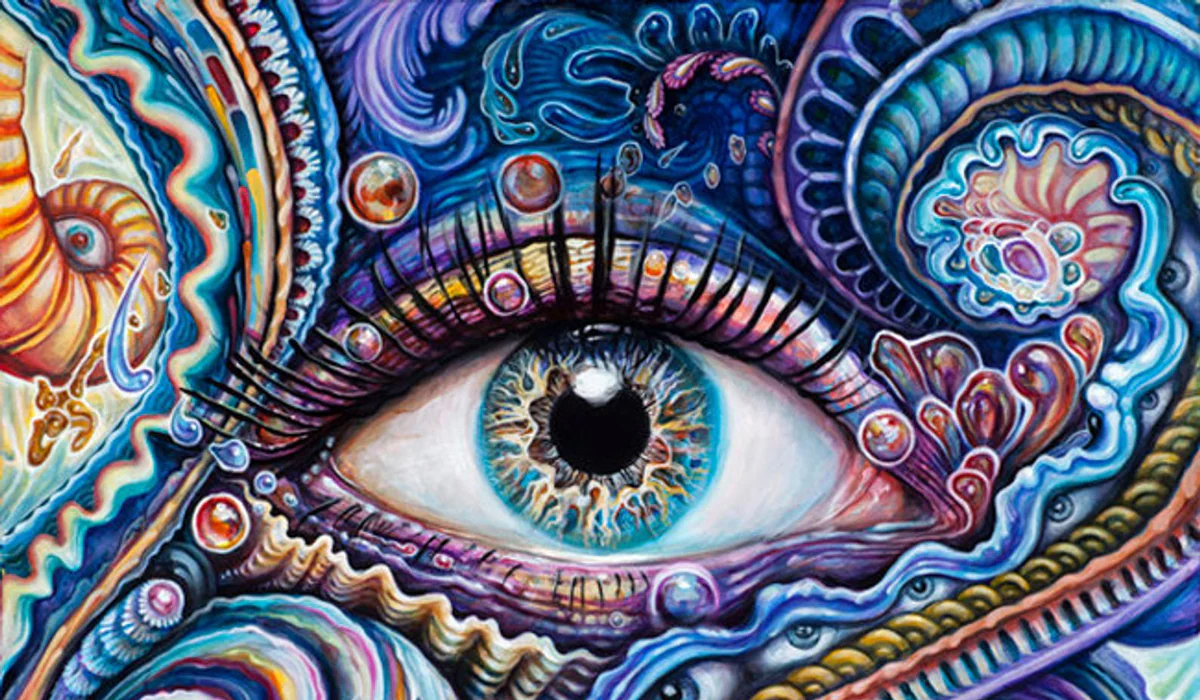
Patterns and geometric shapes are hallmarks of psychedelic art and can transform a simple composition into a visually hypnotic piece. Beginners can start by creating repetitive motifs such as spirals, circles, and wavy lines. These elements often form the backbone of psychedelic artworks, guiding the viewer’s eye across the canvas.
Fractals and symmetry are also powerful tools in this style. Fractals, which are infinitely repeating patterns, create complexity and depth, while symmetrical designs provide balance amidst the chaos of vivid colors. Drawing or digitally rendering these patterns can sharpen your attention to detail and improve composition skills.
To make your patterns truly psychedelic, experiment with distortion and layering. Overlaying multiple patterns or warping geometric shapes adds a sense of motion and unpredictability. This technique encourages viewers to linger and explore every corner of the artwork, making it engaging and immersive.
Exploring Surreal Imagery and Symbolism
Psychedelic art is not just about patterns and colors it’s also a playground for imagination and symbolism. Surreal imagery allows artists to communicate abstract concepts, dreams, and emotions visually. Beginners can start by sketching objects from nature, music-inspired visuals, or fantastical creatures and then distort or exaggerate them to create a dreamlike effect.
Symbolism plays a key role in psychedelic art, often representing spiritual journeys, consciousness, or philosophical ideas. Incorporating symbols such as eyes, cosmic elements, or organic forms adds narrative depth and personal meaning to your creations. This makes your art not only visually striking but also intellectually engaging.
Combining surreal imagery with your established color and pattern techniques elevates your work to the next level. Layering symbolic elements over fluid gradients or intricate patterns creates a multidimensional experience, inviting viewers into a unique visual narrative that is both mesmerizing and thought-provoking.
Conclusion
Starting your journey in psychedelic art may seem challenging, but it is also incredibly rewarding. By understanding the foundations, experimenting with colors and gradients, incorporating patterns and geometric designs, and exploring surreal imagery, beginners can quickly develop a distinctive style. The key is to embrace experimentation and allow creativity to flow without strict rules. Psychedelic art is about pushing boundaries, both visually and conceptually, and the more you practice, the more your artwork will capture the mesmerizing, mind-expanding essence that defines this vibrant genre.
Check out the latest and other interesting information only at Psychedelic Art Techniques for Beginners.
Image Information Source:
First Image: youtube.com
Second Image: mycrodose.com