Secrets Of Captivating Commercial Photography That Sells

In the ever-evolving world of marketing, visual storytelling has become a powerful tool for brands to connect with their audiences.
Commercial photography is not just about taking a pretty picture, it’s about creating an image that sells, engages, and leaves a lasting impression. Understanding the secrets behind captivating commercial photography can transform ordinary campaigns into unforgettable experiences that drive sales and brand loyalty. In this article, News Time & Lets Talk Arts we’ll uncover the essential techniques, strategies, and creative insights that make commercial photography truly irresistible.
Understanding The Psychology Behind Visual Appeal
Commercial photography that sells begins with a deep understanding of human psychology. Colors, composition, and lighting all play critical roles in shaping how viewers perceive a product. Warm tones can evoke feelings of comfort and familiarity, while vibrant colors attract attention and stimulate excitement. Photographers who master these nuances are able to craft images that resonate emotionally with the target audience.
Equally important is the concept of visual hierarchy. By carefully arranging elements within a frame, photographers guide the viewer’s eye toward the most crucial aspects of the image. This technique ensures that the product or message stands out, increasing the likelihood of consumer engagement. When viewers instinctively know where to focus, the message becomes clearer and more persuasive.
Lastly, understanding context and relatability is key. Images that reflect the lifestyle, aspirations, or needs of the target market foster connection and trust. Whether it’s a luxury watch or a simple household item, a photograph that tells a story aligned with the viewer’s life can significantly enhance desire and drive purchasing decisions.
Mastering Lighting And Composition Techniques
Lighting is the cornerstone of commercial photography. Proper lighting not only illuminates the subject but also creates mood, depth, and texture. Natural light can evoke authenticity, while controlled studio lighting offers precision and creativity. The key is to manipulate light in a way that highlights the product’s best features while maintaining a visually appealing balance.
Composition further enhances the image’s impact. Techniques such as the rule of thirds, leading lines, and framing help create images that are aesthetically pleasing and structured. Skilled photographers combine these methods with perspective, depth of field, and focus to ensure that the product remains the central point of attention without distractions.
Additionally, experimenting with unconventional angles or creative setups can set a brand apart. Unique compositions draw the eye and make the imagery memorable. Commercial photography that successfully blends technical precision with artistic creativity often leads to higher engagement and stronger brand recognition.
Choosing The Right Props And Styling Elements
The right props and styling choices can elevate a simple product photograph into a compelling visual narrative. Props should complement the main subject without overpowering it, creating context and enhancing storytelling. For instance, a gourmet dish photographed with subtle tableware and textures conveys sophistication and taste.
Styling extends beyond props to include textures, colors, and arrangement. Cohesive styling reinforces the brand’s identity, whether it’s luxurious, playful, or minimalist. Attention to small details like fabric folds, reflections, or shadows can make a significant difference in the final image quality, adding depth and realism that viewers subconsciously appreciate.
Furthermore, styling should be strategically aligned with marketing goals. If the aim is to inspire, images should evoke aspiration. If the goal is to inform, the visuals should clearly communicate the product’s features. Thoughtful styling ensures that every element in the frame supports the overall message, maximizing the photograph’s selling power.
Also Read: Commercial Photography: Turning Vision Into Powerful Visual Stories
Utilizing Advanced Post-Processing Techniques
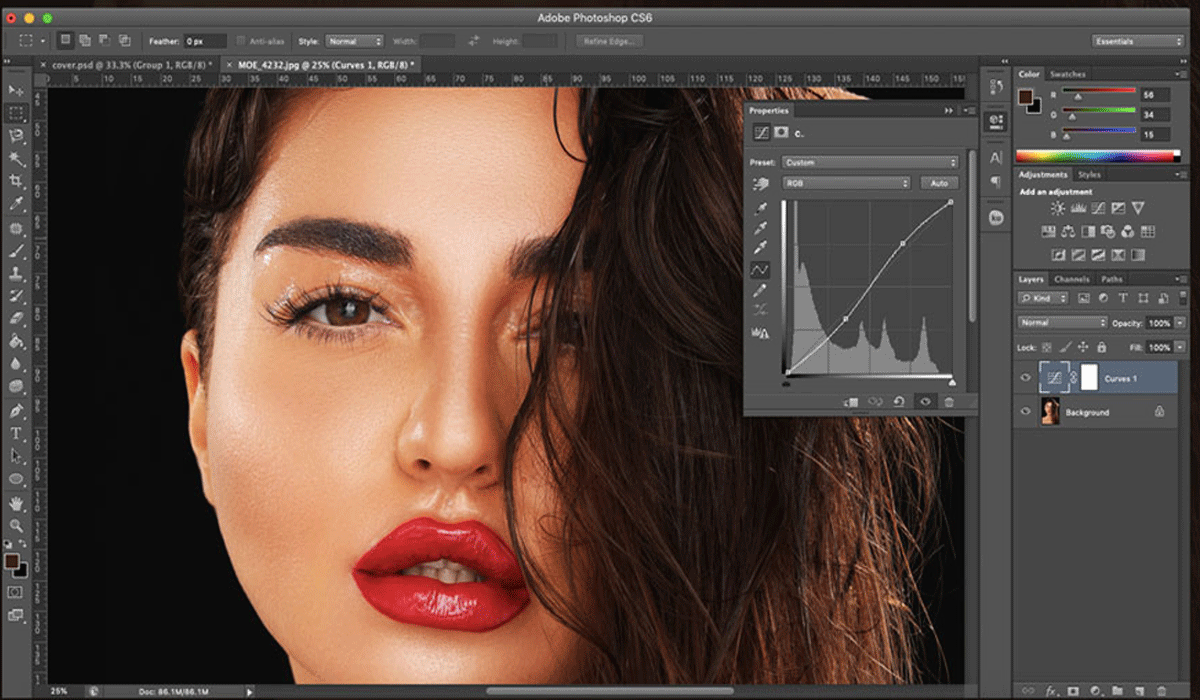
Post-processing is where commercial photography truly comes to life. Professional editing allows photographers to fine-tune colors, enhance textures, and remove distractions, resulting in polished and impactful images. Techniques like retouching, color grading, and compositing help maintain consistency across campaigns, reinforcing brand identity.
It’s important, however, to strike a balance. Over-editing can make images appear unnatural and alienate consumers. The best commercial photographers aim for authenticity while enhancing visual appeal. Subtle adjustments that preserve the product’s integrity often yield the most convincing and persuasive imagery.
Additionally, post-processing provides opportunities for creative experimentation. Advanced tools allow photographers to simulate lighting effects, create depth, or even integrate multiple shots seamlessly. This flexibility enables brands to craft visuals that are both imaginative and commercially effective, ultimately boosting engagement and conversion rates.
Storytelling Through Brand-Focused Imagery
Successful commercial photography does more than display a product, it tells a story. Storytelling connects consumers to a brand’s values, lifestyle, and vision. Images that evoke emotions or narratives create lasting impressions and encourage brand loyalty. A viewer may forget a tagline, but they will remember a powerful visual story.
Integrating lifestyle elements, human subjects, or situational context can make products feel more relatable. For instance, an outdoor gear brand can show its products in adventurous, real-world scenarios rather than sterile studio shots. These storytelling elements communicate utility, aspiration, and brand personality simultaneously.
Lastly, consistency in storytelling across campaigns strengthens brand recognition. When consumers encounter cohesive narratives in imagery, they begin to associate specific feelings and expectations with the brand. Commercial photography that tells a compelling story not only attracts attention but also builds meaningful connections that translate into sales.
Conclusion
In conclusion, captivating commercial photography is a blend of psychology, technical mastery, styling, post-processing, and storytelling. Understanding how visual elements influence perception allows brands to create images that resonate deeply with their audience. Every decision, from lighting to props to editing, contributes to the image’s ability to engage and convert viewers into customers.
Mastering these techniques is not only about creating aesthetically pleasing images but also about producing photographs that effectively communicate a brand’s message. Commercial photography that sells requires thoughtful planning, creative insight, and an unwavering focus on the target audience.
Ultimately, the power of commercial photography lies in its ability to combine artistry with strategy. Brands that invest in high-quality, visually compelling imagery can elevate their marketing campaigns, build stronger consumer relationships, and drive sales in a competitive marketplace. Stay tuned and keep an eye on the News Time & Lets Talk Arts page so you don’t miss any further information, only here.
Image Source From
First Photo From: proedu.com
Second Photo of: ephotovn.com