The Evolution of Entertainment From Classics to Modern Trends
Entertainment has been an integral part of human culture for centuries, evolving alongside societal and technological advancements.
From live performances and theatrical plays to music and cinema, the ways in which people consume entertainment have continually adapted to new innovations and cultural shifts.
This insight explores how traditional forms of entertainment have transitioned into modern digital experiences, highlighting the impact of technology, media platforms, and audience expectations. Understanding this evolution allows us to appreciate both the historical roots and contemporary trends that shape how we enjoy leisure activities today.
Below, News Time & Lets Talk Arts will provide information about the Evolution of Entertainment from Classic to Modern Trends.
Classical Entertainment: Roots in Tradition
Classical entertainment includes performances such as theater, opera, orchestral music, and literature. These forms emerged from cultural rituals, storytelling, and communal gatherings, serving both as a source of amusement and as a reflection of societal values. Audiences were engaged through live performances and intimate experiences that required active participation.
Such traditional entertainment also focused on artistic skill and craftsmanship. Actors, musicians, and writers devoted years to mastering their craft, creating works that remain influential today. The emphasis on storytelling, narrative structure, and artistic excellence set the foundation for future entertainment developments.
The Rise of Film and Radio
The early 20th century introduced revolutionary entertainment forms with film and radio. Movies enabled visual storytelling on a mass scale, while radio allowed music, news, and serialized stories to reach audiences in their homes. These innovations expanded accessibility, connecting people across geographic boundaries and creating shared cultural experiences.
Film and radio also shaped new industries and celebrity culture. Iconic actors, musicians, and broadcasters became influential public figures. The ability to reach millions changed how entertainment was produced, marketed, and consumed, paving the way for commercialized media and mass communication.
Television and the Globalization of Media
The mid-20th century brought television, which transformed entertainment by combining audio-visual storytelling and widespread accessibility. Television allowed families to experience news, drama, sports, and variety shows together, creating communal viewing habits and influencing social norms. Programming diversity grew rapidly, offering content for all ages and interests.
With globalization, television content could cross borders, introducing international music, movies, and shows to new audiences. This cross-cultural exchange influenced trends and broadened perspectives, fostering a more interconnected global entertainment landscape that blended local traditions with global innovations.
Also Read: The Power of Commercial Photography, Where Visual Art Meets Strategy
Digital Revolution and Online Entertainment
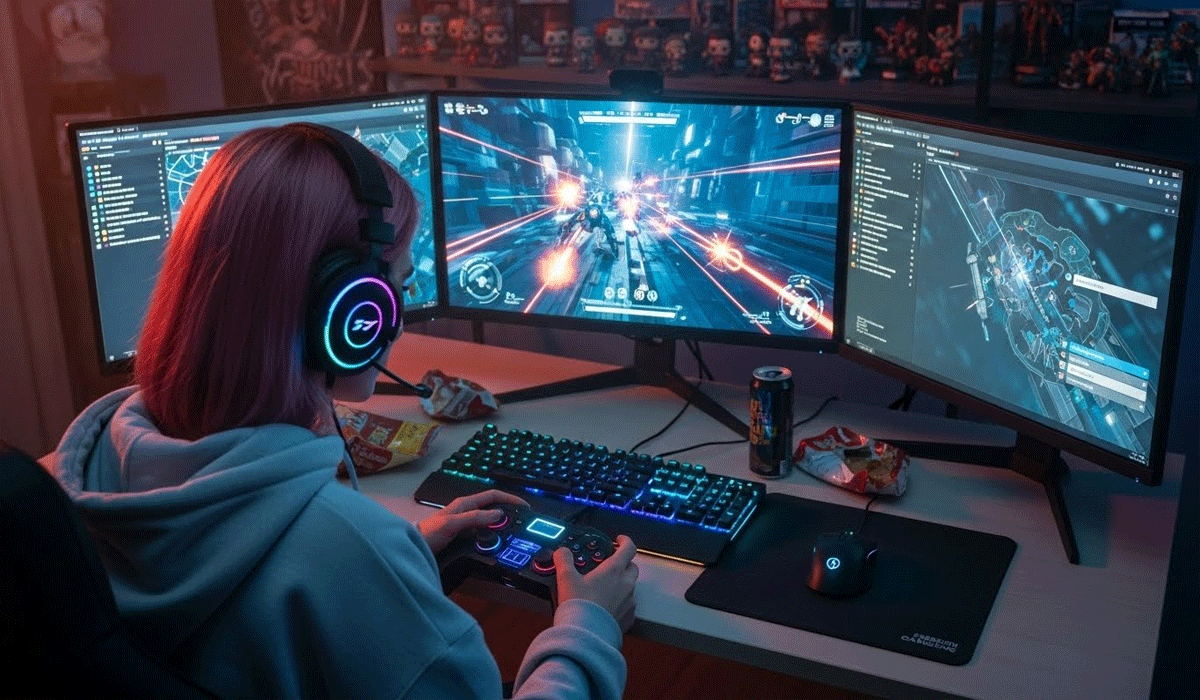
The 21st century witnessed the digital revolution, with the internet reshaping entertainment consumption. Streaming platforms, video sharing, podcasts, and interactive content allow on-demand access and personalized experiences. Social media further transformed how audiences engage with content and creators, fostering direct interaction and community building.
Digital entertainment also democratized content creation, enabling independent artists and small studios to reach audiences without traditional gatekeepers. The combination of accessibility, interactivity, and immediacy changed audience expectations, making flexibility and engagement key factors in successful entertainment experiences.
Emerging Trends and Future Directions
Modern entertainment continues to evolve with innovations such as virtual reality, augmented reality, and immersive gaming. These technologies provide experiences that blur the line between reality and imagination, offering new ways to interact with stories and media. Personalized algorithms also enhance content discovery based on user preferences.
Looking ahead, entertainment is likely to become increasingly interactive, immersive, and global. Trends suggest a convergence of traditional storytelling, digital technology, and social participation, creating dynamic experiences that cater to individual interests while connecting audiences worldwide in shared cultural moments.
Conclusion
The evolution of entertainment reflects human creativity, technological advancement, and cultural shifts. From classical performances to digital experiences, each stage demonstrates how innovation reshapes leisure and engagement. Understanding this history enriches appreciation for contemporary forms while inspiring future possibilities.
Entertainment today combines accessibility, interactivity, and global connectivity, offering diverse experiences that appeal to varied audiences. By examining its evolution, we gain insight into the ways media, technology, and culture continue to influence how people engage, enjoy, and share stories across generations.
Image Source From.
- First Photo From: butiq.media
- Second Photo of: freshfolks.co.uk