The Influence of Today’s Technology on Painting
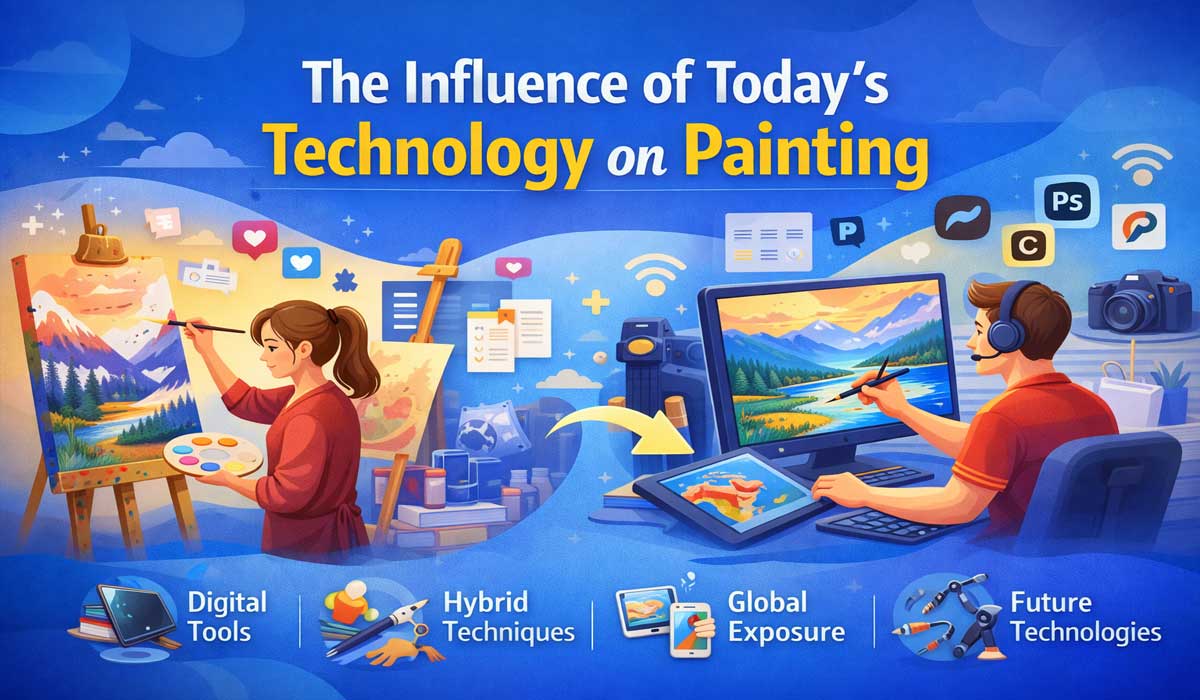
Art has always evolved alongside society, and today’s technology is reshaping the way painting is created, shared, and appreciated.
Digital tools, software, and online platforms have expanded artistic possibilities, allowing painters to experiment with new techniques and reach global audiences instantly. News Time & Lets Talk Arts explores how modern technology influences painting, from digital creation methods to social media exposure, while highlighting the benefits, challenges, and future implications for artists in the digital age.
Digital Tools and Software in Painting
Modern technology provides artists with advanced digital tools that revolutionize traditional painting methods. Software such as Photoshop, Corel Painter, and Procreate offers an array of brushes, textures, and effects that mimic real-life media. These tools allow painters to experiment freely without wasting materials or space, expanding creative possibilities.
Moreover, digital tools enable quick edits, layering, and adjustments that were impossible in traditional painting. Artists can easily undo mistakes, experiment with color palettes, and combine multiple techniques in a single composition. This flexibility encourages innovation and supports both professional and emerging artists in honing their skills.
Enhanced Artistic Techniques Through Technology
Technology has allowed painters to develop techniques that blend traditional and digital media. Hybrid methods, such as incorporating scanned sketches into digital paintings or using tablets for initial drafts, create unique textures and visual effects. Artists now explore unconventional methods that were previously inaccessible.
Additionally, technology facilitates experimentation with perspective, lighting, and composition. Digital simulations provide realistic previews of how a painting might appear under different conditions. This precision helps artists refine their work, achieve intended visual outcomes, and push the boundaries of contemporary painting styles.
Global Exposure and Digital Platforms
The internet and social media platforms have transformed how paintings are showcased and shared. Artists can now display their work on Instagram, Pinterest, or online galleries, reaching global audiences instantly. This exposure provides recognition and creates opportunities for collaboration, commissions, and sales.
Digital platforms also allow artists to interact directly with their audience, receiving feedback and building communities around their art. Online contests, virtual exhibitions, and streaming of painting processes enable wider engagement. Technology thus democratizes art appreciation, bridging the gap between artists and viewers worldwide.
Read Also: Anaconda Movie: A Thrilling Adventure Into the World of Giant Predators
Challenges and Adaptation in Modern Painting
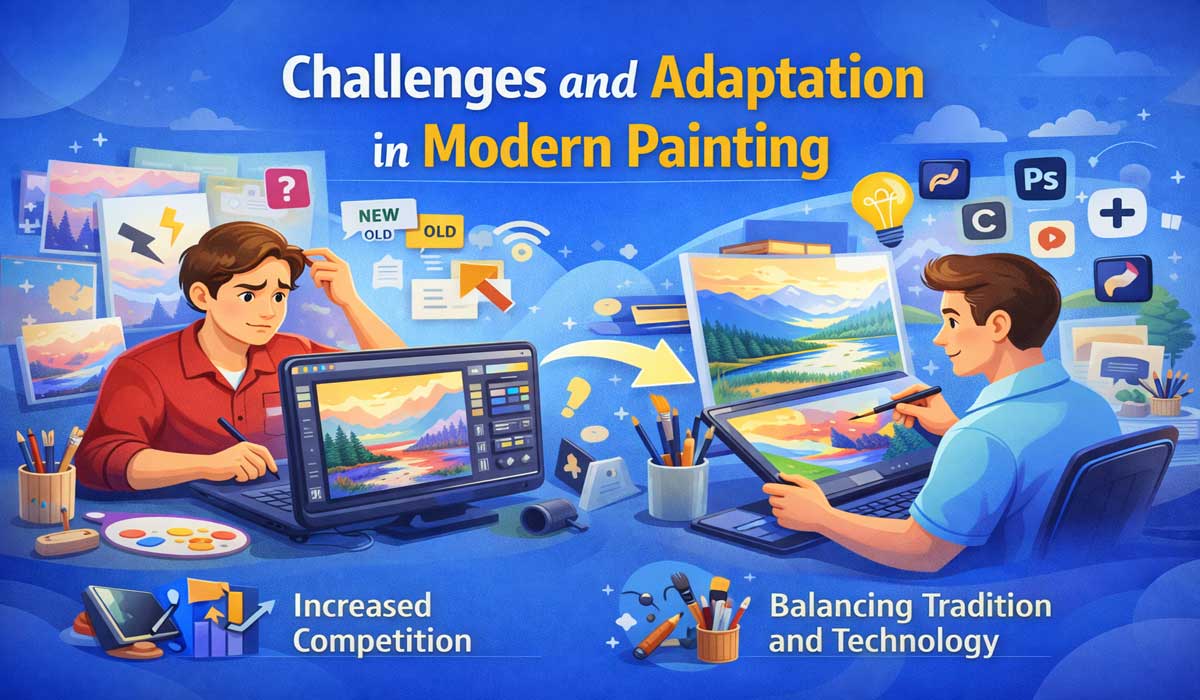
While technology offers numerous advantages, it also introduces challenges. Digital tools require technical knowledge, and the abundance of online content increases competition for attention. Some artists struggle with maintaining originality in a saturated digital space.
Moreover, the tactile and sensory experience of traditional painting can be lost in fully digital approaches. Adaptation involves balancing traditional techniques with digital tools while preserving artistic identity. Artists must remain innovative, learning to navigate technology without compromising their personal style or creative vision.
Future Implications for Art and Artists
The integration of technology into painting is likely to continue evolving, influencing art markets, education, and creative processes. Virtual reality (VR), augmented reality (AR), and AI-assisted tools promise to expand possibilities for immersive and interactive art experiences. Artists can experiment with multisensory installations and dynamic compositions.
Furthermore, technology can redefine how painting is taught, critiqued, and monetized. Online tutorials, AI-generated suggestions, and digital marketplaces offer both opportunities and ethical considerations. The future of painting lies in embracing technology while respecting traditional artistic values, fostering innovation, and shaping new ways for artists to connect with audiences.
Image Information Source:
First Image from: 938newstime.info
Second Image from: 938newstime.info