Uncovering the Hidden Meaning Behind Psychedelic Art
Psychedelic art has long fascinated viewers with its vivid colors, surreal imagery, and mind-bending patterns.
Emerging from the counterculture movements of the 1960s, it continues to influence modern visual culture, from music festivals to digital design. Yet beyond its aesthetic appeal lies a deeper layer of meaning tied to perception, consciousness, and emotional exploration. This article News Time & Lets Talk Arts explores the symbolism, history, and evolving interpretations that shape psychedelic art and its lasting cultural significance.
The Origins of Psychedelic Art
Psychedelic art traces its origins to the cultural revolution of the 1960s, a time when experimentation with consciousness and new forms of expression flourished. Influenced heavily by the use of psychedelic substances like LSD, artists began to visualize altered states of perception through swirling patterns, distorted forms, and radiant color palettes. Poster artists for rock concerts and underground movements played a key role in defining the aesthetic that would later become iconic and widely recognized.
It also drew inspiration from earlier movements such as Art Nouveau and Surrealism, which emphasized organic lines and dreamlike imagery. Artists like Victor Moscoso and Wes Wilson helped shape the visual identity of the era through concert posters and album covers. Their work combined typography and imagery in unconventional ways, challenging traditional design rules and inviting viewers into a more immersive, sensory-driven experience of art and communication.
Visual Language and Symbolism
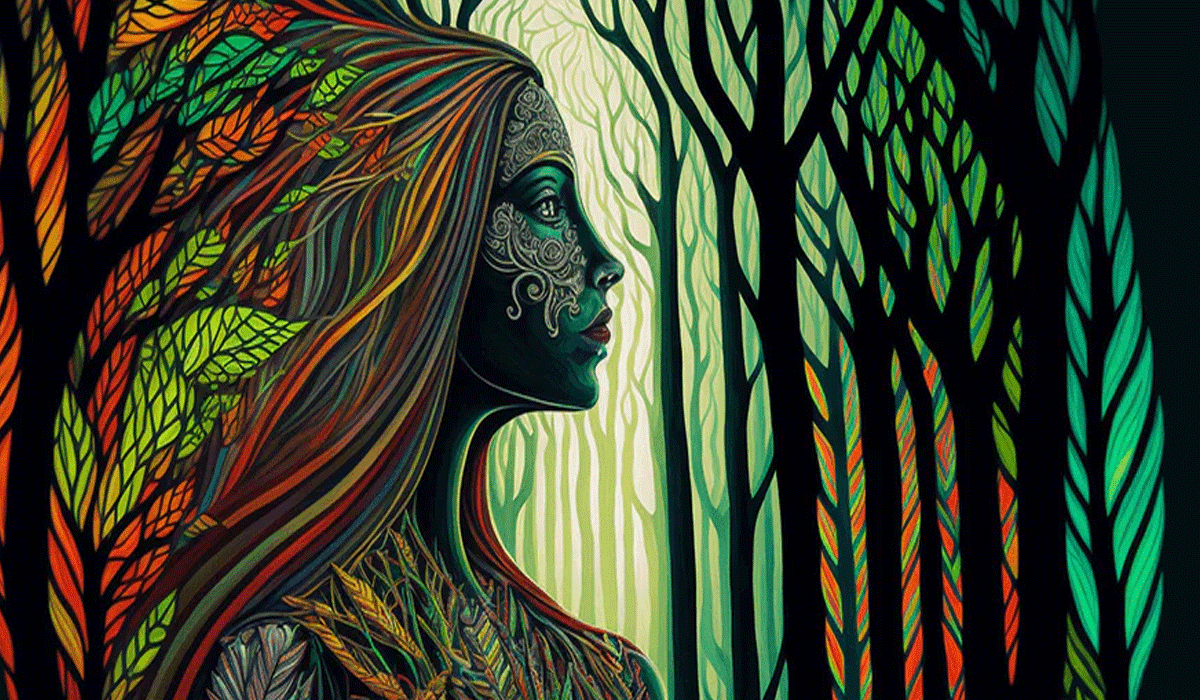
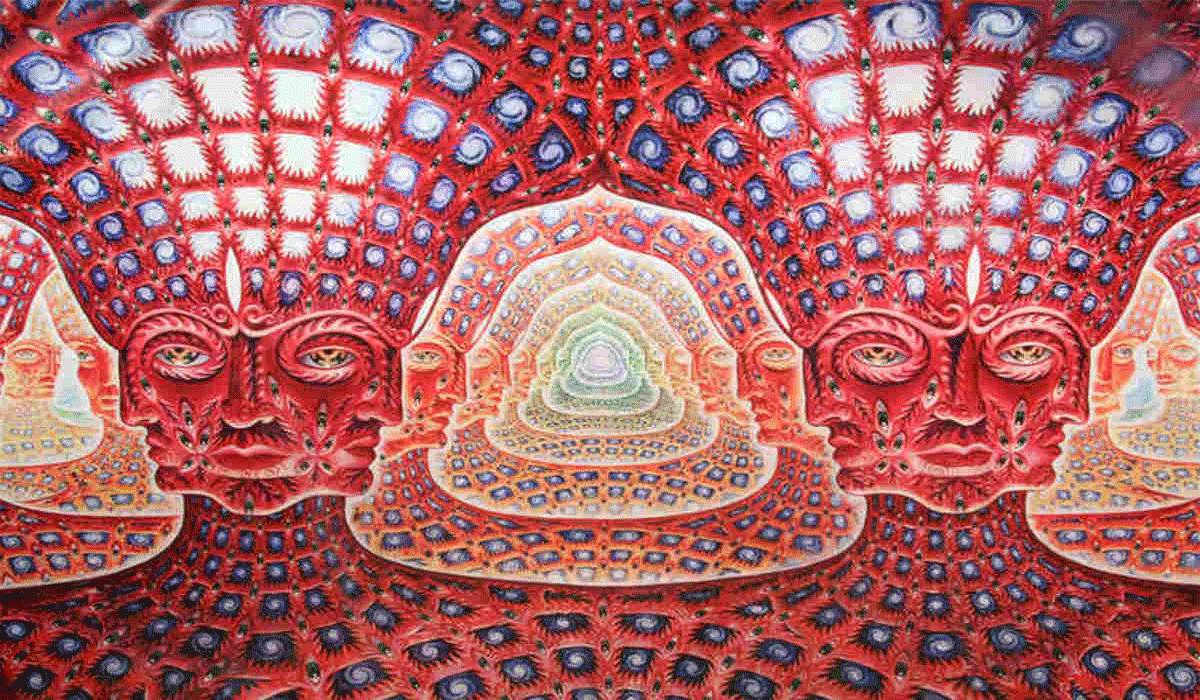
Psychedelic art is characterized by its complex visual language, often filled with symbolic imagery that reflects inner psychological states. Common motifs include mandalas, fractals, and kaleidoscopic patterns, which suggest infinite expansion and interconnectedness. These visuals are not merely decorative; they are intended to evoke emotional responses and simulate altered perceptions of reality. The use of intense, often clashing colors further enhances the sense of movement and depth within the artwork.
Symbolism in psychedelic art frequently draws from spirituality, mythology, and nature. Eyes, spirals, and cosmic imagery often represent higher consciousness or the search for universal truth. Rather than conveying a single fixed meaning, these symbols encourage open interpretation, allowing viewers to project their own thoughts and experiences onto the artwork. This fluidity of meaning is central to the genre’s enduring appeal and its ability to resonate across different cultures.
The Influence of Consciousness and Psychedelic Experience
The connection between psychedelic art and altered states of consciousness is fundamental to its identity. Many artists sought to replicate or interpret the visual hallucinations and heightened sensory awareness experienced during psychedelic journeys. These experiences often include vivid color shifts, geometric patterns, and the dissolution of ordinary spatial boundaries. By translating these sensations into visual form, artists created works that serve as both documentation and exploration of inner mental landscapes.
Such art is not limited to substance-induced experiences; it also reflects broader explorations of meditation, dreams, and psychological introspection. The goal is often to expand perception beyond everyday reality and challenge the viewer’s understanding of what is visually and emotionally possible. In this sense, psychedelic art functions as a bridge between the conscious and subconscious mind, inviting deeper reflection on the nature of human experience and awareness.
Read Also: The Role Of Creativity in The World Of Modern Commercial Photography
Cultural and Historical Impact
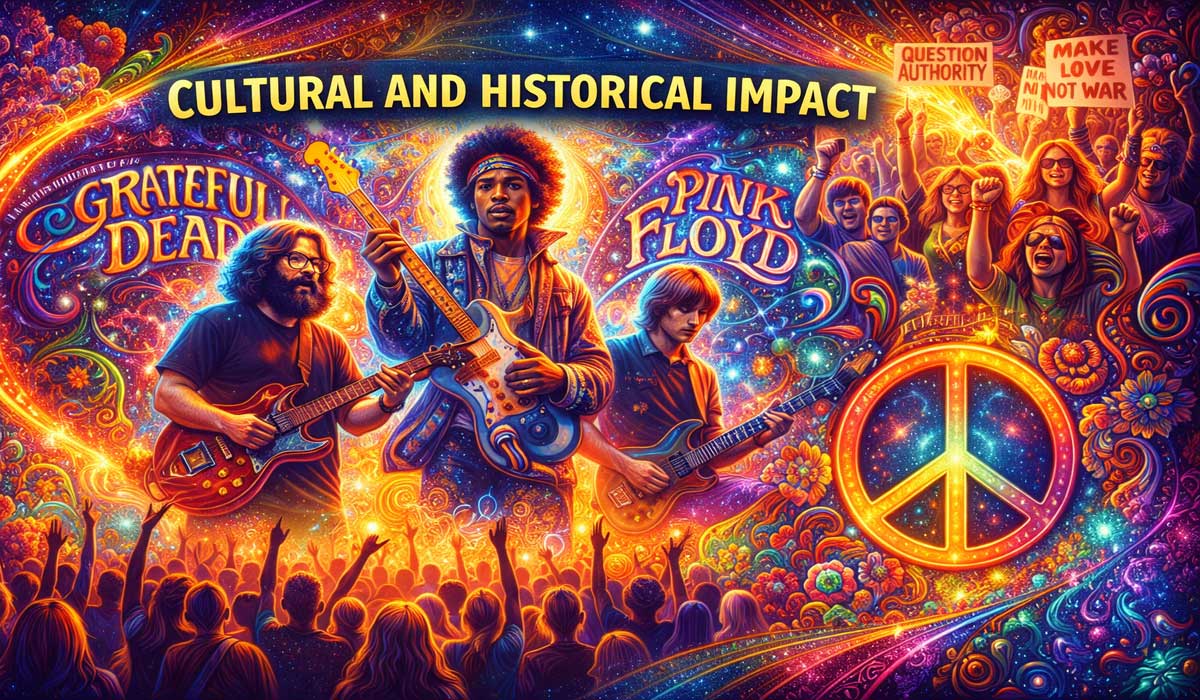
Psychedelic art played a significant role in shaping the visual identity of the counterculture movement, influencing music, fashion, and advertising. It became closely associated with rock bands such as The Grateful Dead and Pink Floyd, whose album covers and concert visuals embraced its distinctive style. Beyond music, it also contributed to broader social conversations about freedom of expression, mental exploration, and resistance to conventional norms.
Over time, the influence of psychedelic art extended into mainstream culture, appearing in films, graphic design, and commercial branding. While initially seen as rebellious and underground, its aesthetic principles gradually became integrated into popular visual language. This shift demonstrates how countercultural movements can eventually reshape dominant cultural trends, leaving a lasting imprint on global artistic expression and communication practices.
Modern Interpretations and Digital Evolution
In the digital age, psychedelic art has experienced a resurgence through new technologies such as digital illustration, animation, and virtual reality. Artists now use software to create highly intricate fractals and immersive environments that were previously impossible to produce by hand. This technological evolution has expanded the boundaries of the genre, allowing for more dynamic and interactive experiences that engage audiences in real time.
Contemporary psychedelic art continues to evolve, blending traditional influences with modern aesthetics and technological innovation. It appears in music festivals, online media, and even therapeutic contexts where visual stimulation is used to support mental well-being. As society becomes increasingly interested in consciousness and mental health, psychedelic art remains a powerful tool for exploration, expression, and connection in an ever-changing visual landscape.
Image Information Source:
First Image: 938newstime.info
Second Image: 938newstime.info