Capturing the Perfect Shot: Modern Commercial Photography Techniques
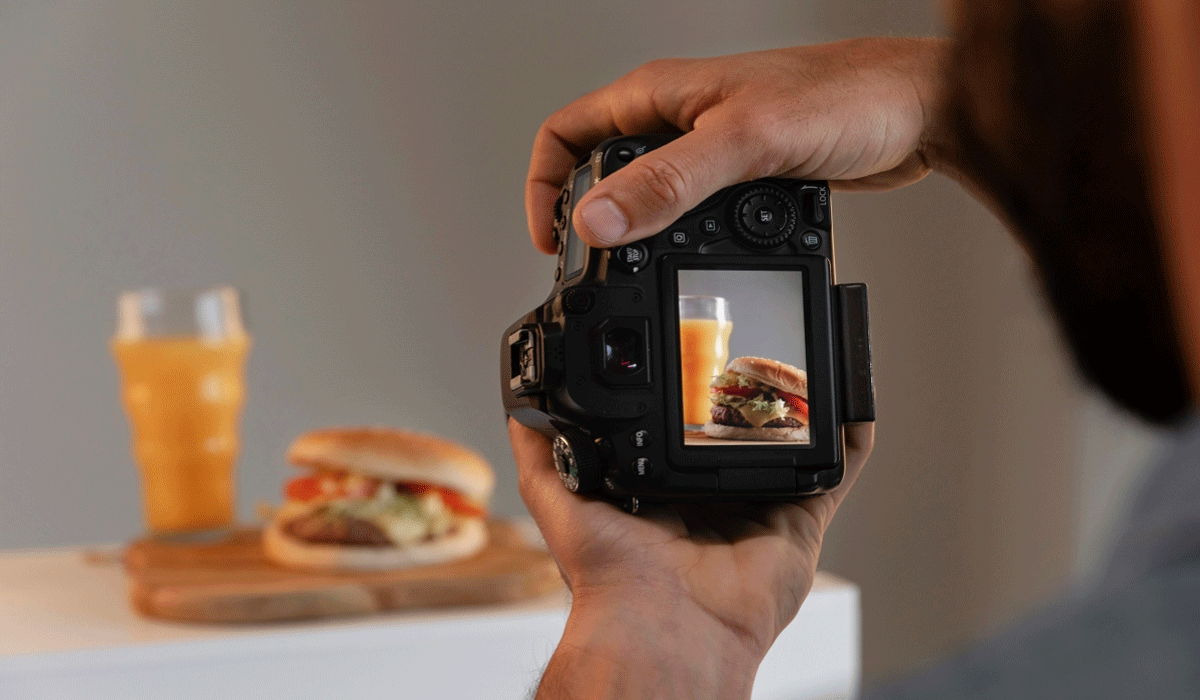
Commercial photography has evolved greatly due to technological advances, shifting marketing trends, creative demands, and audience engagement strategies.
Capturing the perfect shot today requires more than just technical skills; it involves creativity, planning, and an understanding of brand messaging. Modern commercial photographers must combine artistry with strategy to create images that not only attract attention but also convey a compelling story to consumers.
The demand for high-quality visuals is higher than ever, from e-commerce platforms to social media campaigns. Businesses rely on striking imagery to make an impact, which has elevated the role of photographers in shaping brand perception.
Understanding the modern techniques behind successful commercial photography is essential for photographers aiming to thrive in this competitive industry. The following will News Time & Lets Talk Arts discuss Capturing the Perfect Image: Modern Commercial Photography Techniques.
Understanding Lighting: Natural And Artificial
Lighting remains the cornerstone of commercial photography. Mastering both natural and artificial lighting allows photographers to highlight products, models, or locations in ways that enhance visual appeal and evoke emotion. Softboxes, reflectors, and diffusers are commonly used to manipulate artificial light and achieve professional results.
Natural lighting, on the other hand, can be used to create a more authentic and relatable atmosphere. Photographers often use golden hours or overcast conditions to soften shadows and produce flattering tones. Balancing these lighting techniques ensures that every shot appears polished and visually captivating.
Composition And Framing Techniques
Modern commercial photography emphasizes strong composition and creative framing. Techniques such as the rule of thirds, leading lines, and symmetry guide the viewer’s eye and create aesthetically pleasing images. Photographers also experiment with unconventional angles to make products or subjects stand out.
Effective composition is not just about beauty; it communicates the brand’s message. For example, a clean, minimalistic composition can reflect sophistication, while dynamic framing can convey energy and excitement. Understanding how to frame shots strategically is essential to producing commercially compelling images.
Using Advanced Camera Settings
Technological advancements have given photographers unprecedented control over their shots. Modern cameras allow precise adjustments in ISO, shutter speed, and aperture, enabling creative flexibility even in challenging conditions. Photographers can manipulate depth of field, capture motion, or produce high-resolution images suitable for both print and digital platforms.
Additionally, shooting in RAW format allows for extensive post-processing without quality loss. This gives photographers the freedom to adjust exposure, color balance, and sharpness during editing, ensuring the final image meets commercial standards and client expectations.
Also Read: A Deadly Adventure Through the Jungle With a Giant Anaconda
Post-Processing And Editing
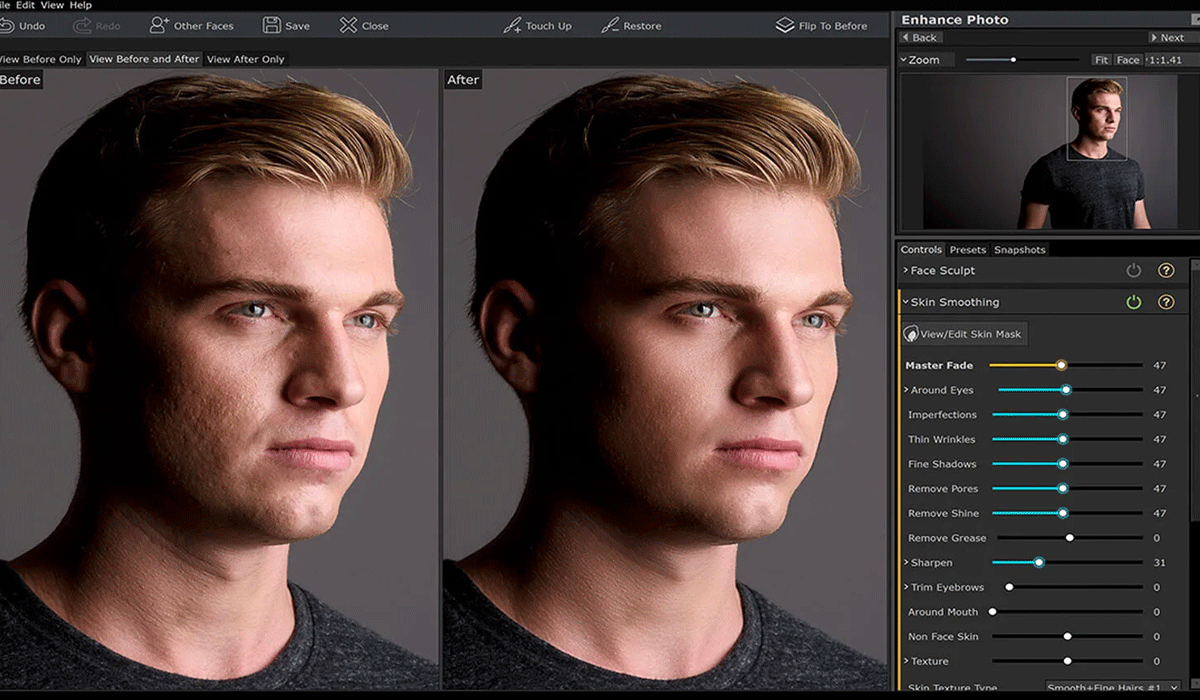
Post-processing is a critical component of modern commercial photography. Software such as Adobe Photoshop and Lightroom allows photographers to enhance images, correct imperfections, and create visually stunning results. Retouching, color grading, and compositing can transform ordinary shots into professional-grade visuals.
Editing is not merely cosmetic; it helps align images with brand identity. Consistent color palettes, sharpness, and style create a cohesive visual narrative across marketing materials. Skilled post-processing can elevate the impact of commercial photography, making products or services more appealing to the target audience.
Embracing Modern Trends
Trends in commercial photography are constantly evolving. Minimalist product shots, lifestyle-oriented images, and candid storytelling are currently in high demand. Photographers must stay informed about what resonates with audiences while maintaining originality and creative vision.
Integration with digital marketing strategies is also crucial. Images optimized for social media, websites, or e-commerce platforms must maintain visual clarity and impact across devices. Modern commercial photographers are not just image creators—they are visual strategists who understand audience behavior and brand positioning.
Conclusion
Capturing the perfect shot in modern commercial photography requires a blend of technical expertise, creative vision, and strategic understanding of branding. From mastering lighting and composition to leveraging advanced camera settings and post-processing techniques, photographers can create images that captivate audiences and elevate brands.
By embracing contemporary trends and integrating visual storytelling with marketing goals, commercial photographers continue to shape how products and services are perceived in today’s competitive market. Don’t miss out on the information, only available here News Time & Lets Talk Arts!
Image Information Source:
- First Image from : cloud.zno.com
- Second Image from : digital-photography-school.com