From Screen to Nature: Anaconda’s Visual Aesthetics
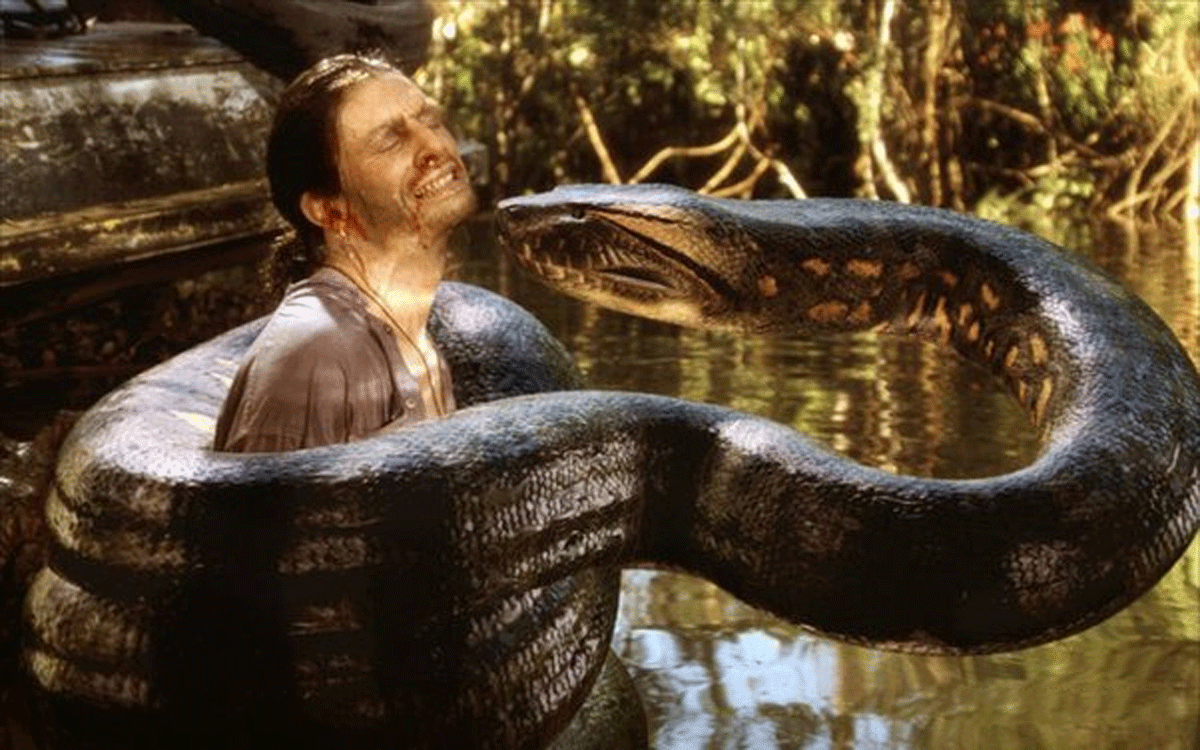
The anaconda has long captivated the human imagination, from documentaries and feature films to vibrant illustrations in wildlife magazines.
Its massive size, muscular build, and agile movements make it one of the most visually striking creatures in the animal kingdom. Beyond its physical appearance, the way it interacts with its environment, from the winding Amazonian rivers to the dense swamp forests, offers a natural theater of texture, color, and movement.
Below, News Time & Lets Talk Arts we explore how the anaconda’s visual aesthetic has been portrayed both on screen and in its natural habitat.
The Allure of the Anaconda on Screen
In cinema, the anaconda often embodies power and danger. Filmmakers emphasize its sinuous movements and reflective scales under dim lighting, creating a dramatic effect. Movies like Anaconda showcase this creature in suspenseful sequences that highlight its size and stealth, captivating audiences with visual tension.
The color palette chosen for screen adaptations plays a vital role. Dark greens and murky browns mirror the snake’s natural environment, enhancing realism while amplifying suspense. Cinematographers often use water reflections and slow-motion shots to accentuate the texture and movement of its scales, giving viewers a hypnotic, almost artistic perspective.
Natural Habitat and Camouflage
In the wild, anacondas display remarkable visual adaptability. Their olive-green and black patterned skin allows them to blend seamlessly into murky rivers and dense vegetation. This camouflage is essential for hunting and avoiding predators, showcasing nature’s subtle artistry.
Light and shadow interplay in riverine and swamp environments further enhance the snake’s visual presence. Sunlight filtering through leaves creates dappled patterns on its skin, highlighting muscular curves and the fluidity of movement. Observing an anaconda in its natural habitat is akin to watching a living, moving sculpture.
Read Also: The Role of Commercial Photography in Modern Business
Movement as Art of Anaconda
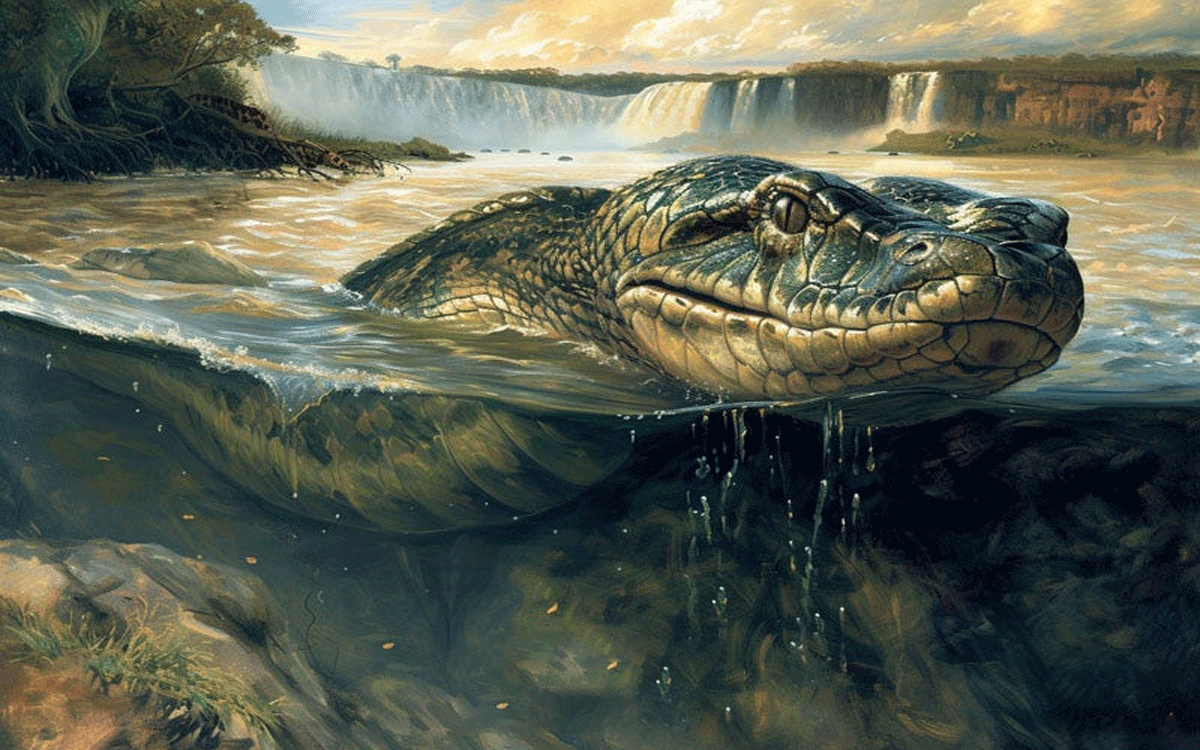
Anaconda locomotion is mesmerizing. Their swimming, constriction, and slow terrestrial crawling demonstrate both strength and grace. On screen, these movements are exaggerated for dramatic effect, but in nature, they are a functional ballet designed for survival.
The curvature and flexibility of an anaconda’s body create visually appealing lines and patterns. Whether coiled in ambush or gliding through water, its form demonstrates a balance between raw power and aesthetic elegance, captivating naturalists and filmmakers alike.
Textural Details and Scale Patterns
Close-up shots, whether in documentaries or photography, reveal the intricate texture of anaconda scales. Each scale reflects light differently, giving a subtle shimmer that enhances visual appeal. This detailed patterning not only serves a biological function but also contributes to the snake’s aesthetic allure.
The contrast between rough dorsal scales and smoother ventral scales adds depth to visual portrayals. Artists and cinematographers exploit this contrast to create dramatic tension, whether showing the snake wrapping around prey or resting in natural concealment, emphasizing its tactile beauty.
Environmental Interactions
Anacondas do not exist in isolation; their surroundings shape how they are perceived visually. Ripples in water, floating leaves, and reflections create dynamic frames that enhance composition. These environmental elements add context and narrative to visual storytelling, emphasizing the interplay between creature and habitat.
Seasonal changes also affect aesthetic perception. Rainy seasons deepen water color, enriching contrast with the snake’s skin, while dry periods highlight the texture of swampy banks. Nature provides a palette that continuously adapts, complementing the snake’s inherent visual drama.
Cinematic vs. Natural Reality
While film adaptations often dramatize scale and menace, the reality of observing an anaconda in nature is subtler yet equally captivating. Natural observation allows appreciation of nuanced behaviors, color shifts, and the relationship with the surrounding ecosystem.
Documentary filmmakers strive to bridge this gap, using high-resolution footage and macro photography to capture authentic movements and textures. These visual narratives bring audiences closer to understanding the snake’s beauty and ecological significance, beyond its fearsome reputation.
From cinematic exaggeration to natural elegance, the anaconda’s visual aesthetics highlight the interplay of texture, motion, and environment. Its portrayal reminds us that even the most feared creatures in the wild hold intrinsic beauty. For more stunning wildlife visuals and in-depth nature insights, explore News Time & Lets Talk Arts National Geographic’s gallery
Image Information Source:
- First Image: quora.com
- Second Image: medium.com

